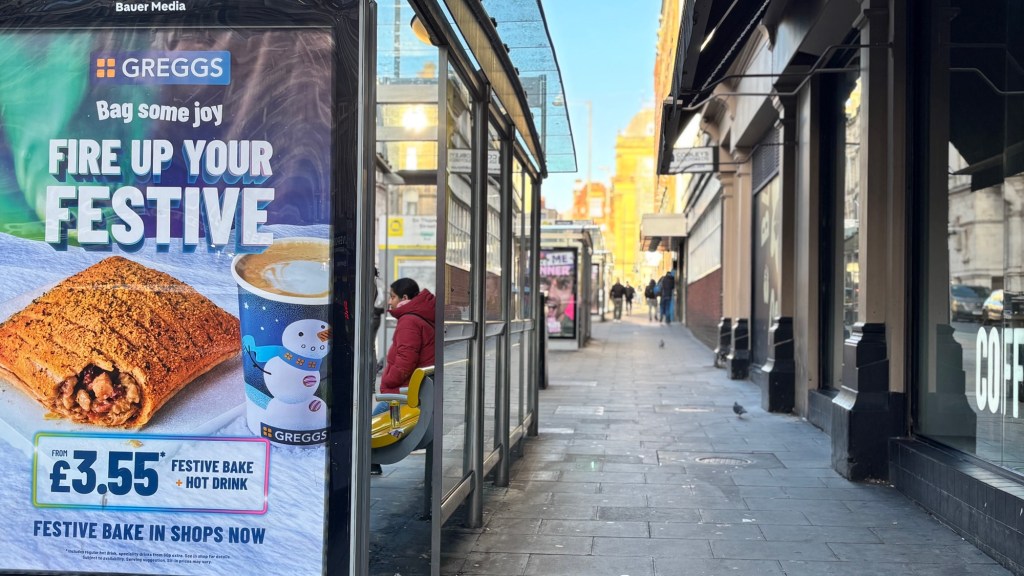
In this first post, we take a closer look at the unique bus interchange at Sir Thomas Street in Liverpool city centre. Slightly tucked away from the city’s main transport hubs, it’s a location that many buses simply pass through, continuing on to Queen Square Bus Station or heading out of the city towards towns and villages across the wider region.
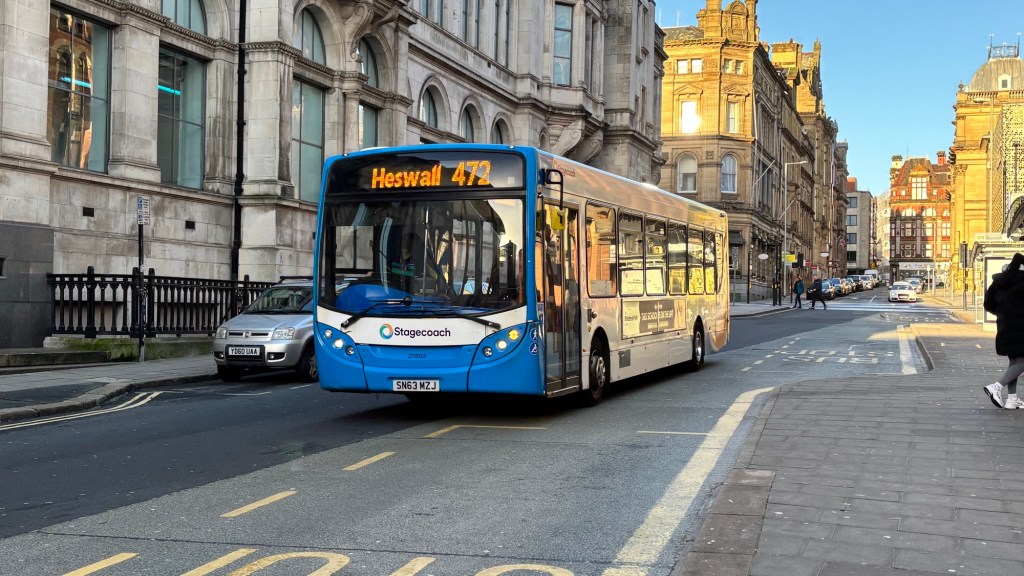
The majority of buses that call here are Wirral-bound services, linking the area with key destinations across the peninsula. Regular routes head towards places like Heswall, West Kirby, New Brighton and Birkenhead, making it an important hub for local travel.
With so many connections focused on the Wirral, the stop plays a useful role in keeping towns and communities well connected. Whether you’re heading towards the coast, into Birkenhead, or further along the peninsula, there’s usually a bus along before too long.
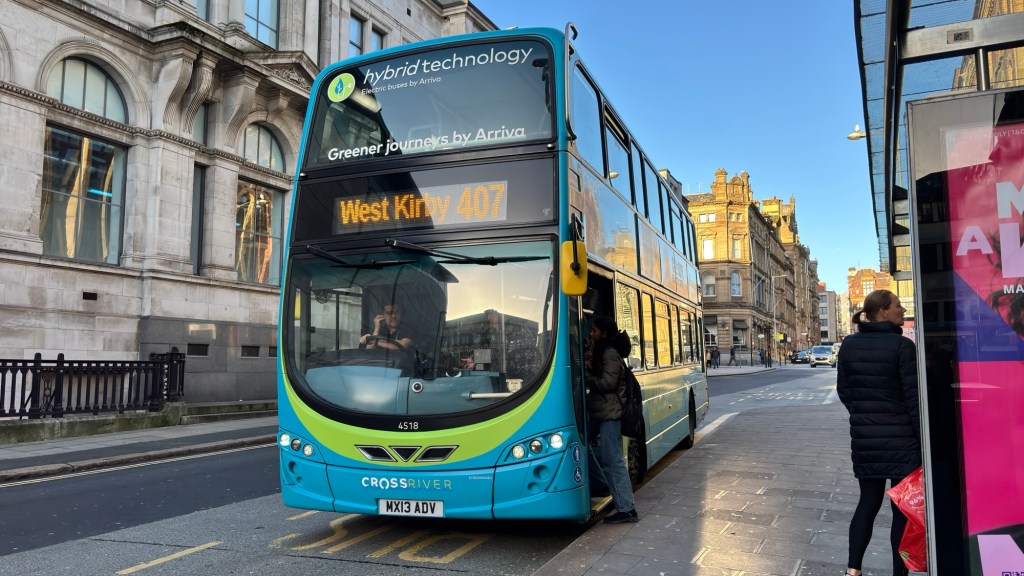
As you can see, Arriva and Stagecoach are the main operators here at Sir Thomas Street (The Metquarter). It’s a spot I genuinely enjoy hanging around while waiting for my bus home, mainly because you get such a wide variety of vehicles passing through.
You’ll often see everything from Alexander Dennis buses and Geminis to MCV Evoras, alongside plenty of Pulsar 2s and the occasional older Pulsar still making an appearance. I’ve waited here many a time over the years, and there’s always something interesting to watch roll in.
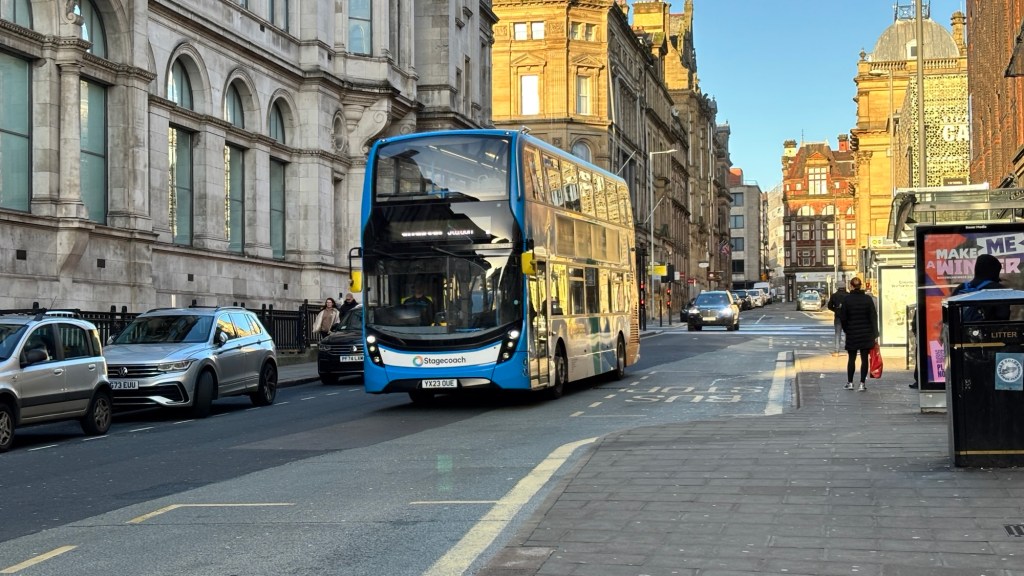
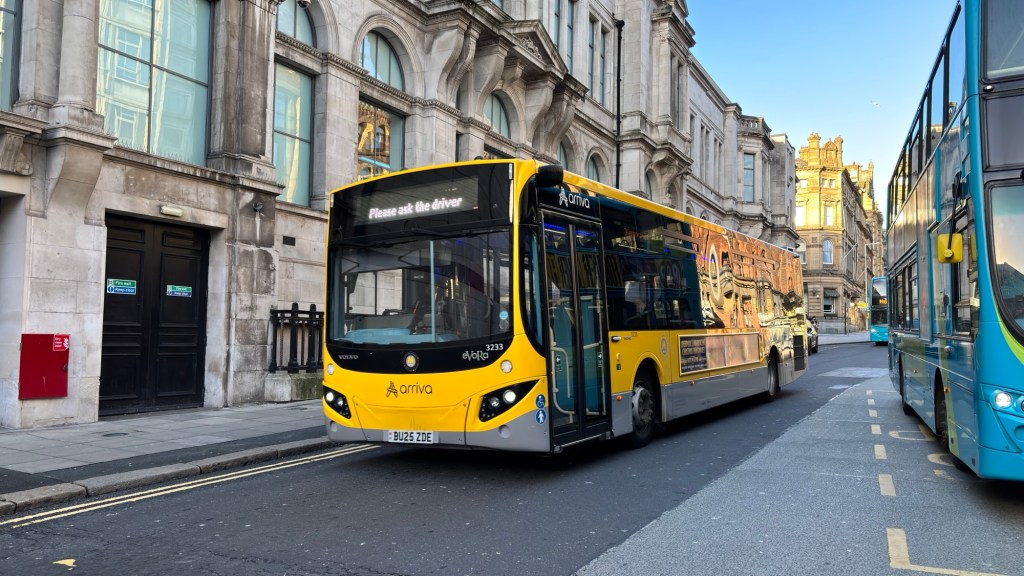
As you can see, Arriva and Stagecoach are the main operators serving Sir Thomas Street (The Metquarter). I genuinely enjoy spending time here while waiting for my bus home, as you’re treated to a real mix of vehicles coming and going. From Alexander Dennis buses and Volvo Geminis to MCV Evoras, alongside plenty of Pulsar 2s and the occasional older Pulsar, there’s always something interesting to spot. I’ve waited here many a time over the years, and it’s a familiar and well-used stop that feels like a small hub of everyday Liverpool life.
Merseyside is also going through a major period of change when it comes to its bus network, with services being brought back into public ownership. This move mirrors what Andy Burnham has already implemented in Greater Manchester with the Bee Network, aiming to create a more joined-up, affordable and reliable public transport system. It’s not just buses either Merseyrail is also set to come under public ownership in the future, which could help further integrate trains with buses across the region. Together, these changes have the potential to make public transport on Merseyside simpler, more accessible, and better suited to the people who rely on it every day.
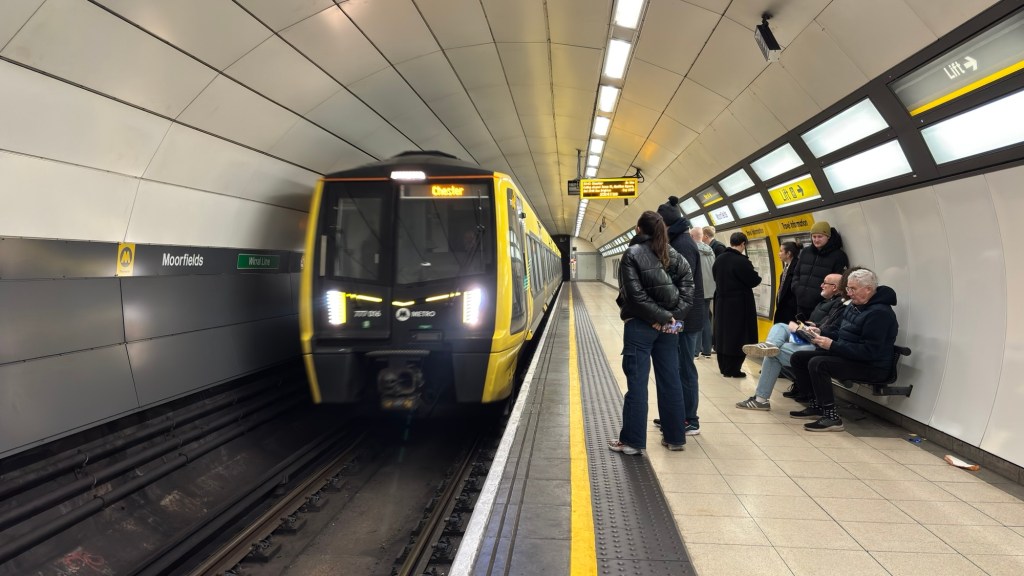
The idea behind this mini series is to shine a light on smaller bus stands that aren’t full bus stations, but are still important parts of the local transport network. These are the kinds of places people use every day without giving them much thought, and I want to give them a bit of well-deserved attention. I’m also hoping you’ll help shape the series by suggesting other locations I could visit in future posts.
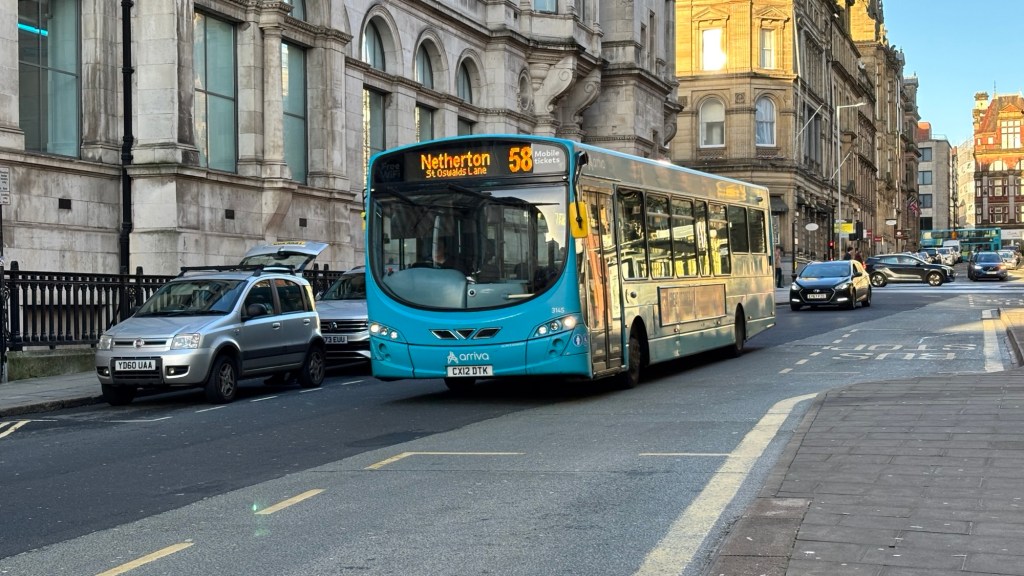
If you’d like me to carry out some route review journeys here on the blog, I’d really value your feedback and suggestions. It would be great to know which routes, operators, or areas you’d be interested in seeing covered in more detail, as that will help shape where this project goes next.
I’m also considering taking some of these journeys back onto YouTube in the future, whether as full route videos or shorter vlog-style explorations to complement the blog posts. Your thoughts and support would play a big part in deciding how both the blog and the channel develop going forward.
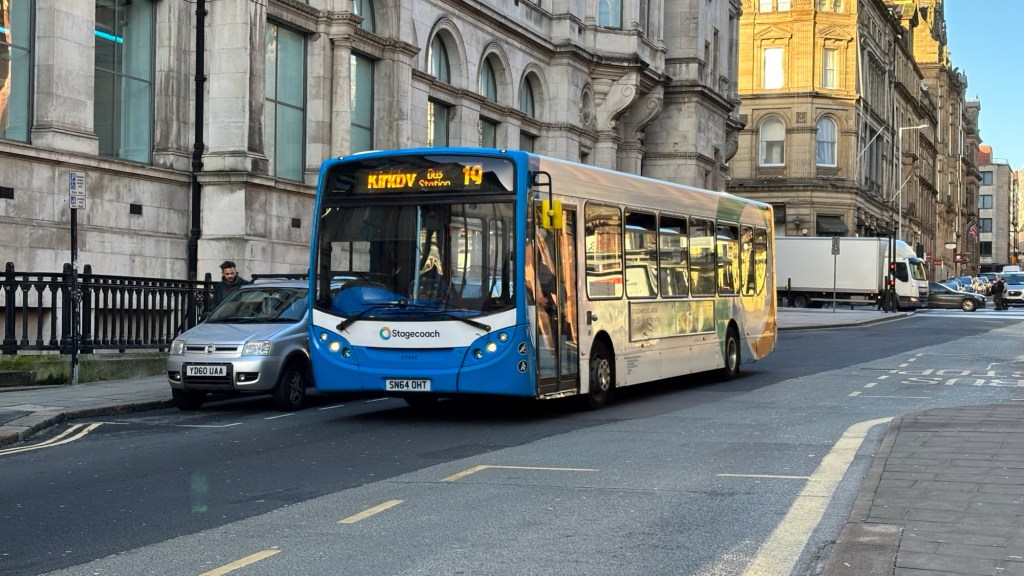
Lastly, I’m really interested in following the changes coming to the Wirral and St Helens from 2026, as the region moves towards a more integrated, publicly controlled bus network similar to Greater Manchester’s Bee Network. It’s an exciting time for local transport, and you can already see hints of what’s to come with the new livery appearing on vehicles such as the ADL Enviro 200 shown in the photo below. I’m looking forward to documenting how these changes roll out on the ground, from branding and vehicles to routes and passenger experience, and sharing that journey here on the blog.
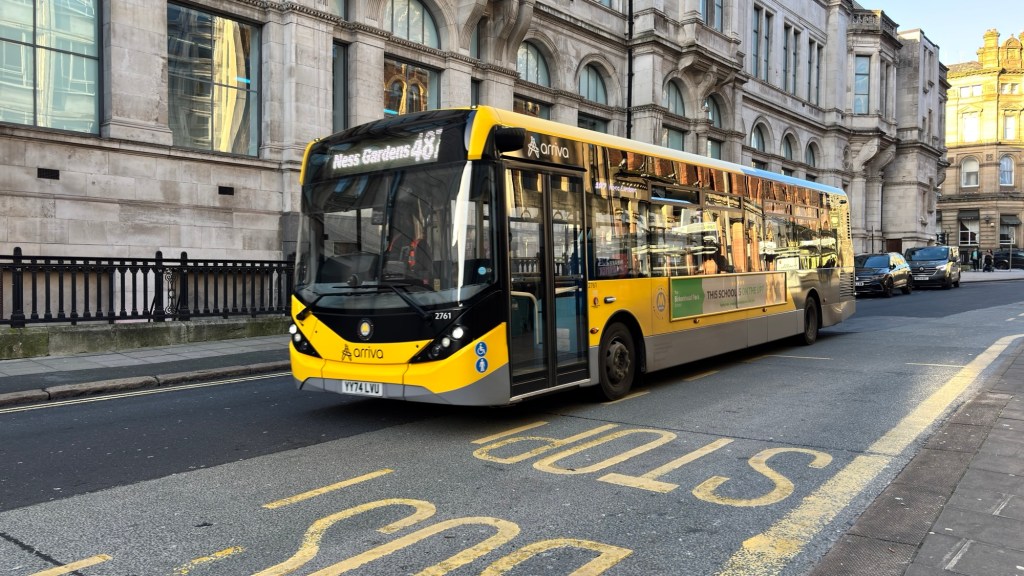
To wrap things up, this mini-series is about highlighting the everyday places, vehicles, and changes that make up our local bus network. Thank you for taking the time to read, and as always, I really appreciate your support, feedback, and ideas for future posts.


 Joel Hardy
Leave a comment