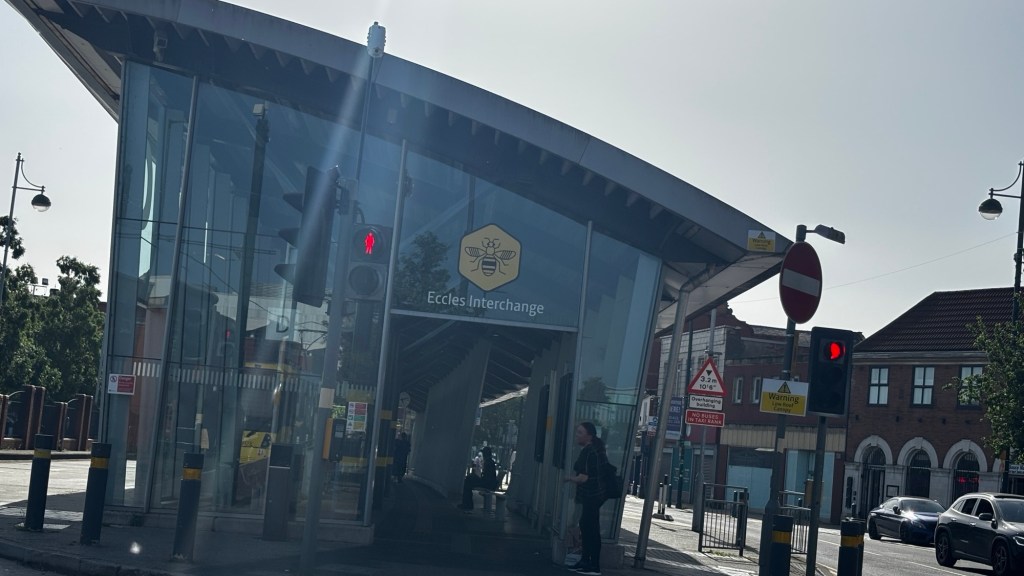
Hello, in this next post I’m bringing back one of my favourite series on this blog — Bus Stations. For this trip, I headed over to the Trafford Centre, one of Greater Manchester’s busiest shopping and transport hubs, before jumping on the 21 service towards Eccles Interchange. While the two locations are only a short bus ride apart, they both offer completely different layouts, atmospheres and ways of handling passengers throughout the day.
The Trafford Centre Bus Station feels modern and built around the shopping experience, with busy stands, constant arrivals and plenty of people heading in and out of the centre. Meanwhile, Eccles Interchange has more of a traditional transport hub feel to it, connecting buses, trams and the local community together in one place. Despite their differences in design and appearance, both stations serve the exact same purpose — keeping Greater Manchester moving.
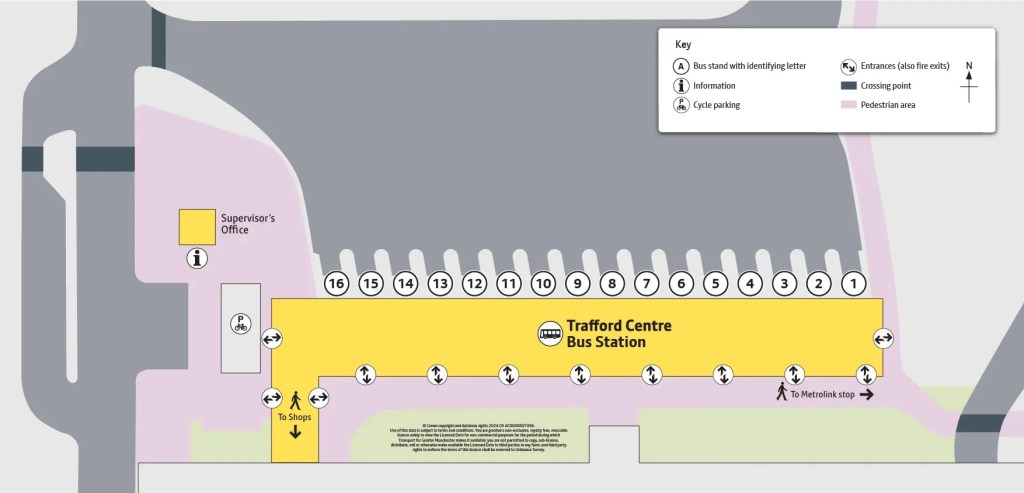
The layout of the Trafford Centre Bus Station is fairly simple, with the interchange running lengthways alongside the shopping centre and featuring around 16 bus stands serving routes across Greater Manchester and beyond. Services operate to destinations including Bolton, Eccles, Manchester Piccadilly Gardens, Leigh, Stockport and Wigan, making it one of the region’s busiest transport hubs outside the city centre. Despite being attached to a shopping complex, the station itself is easy to navigate, with each stand clearly laid out in a straight-line formation allowing buses to arrive and depart efficiently throughout the day.
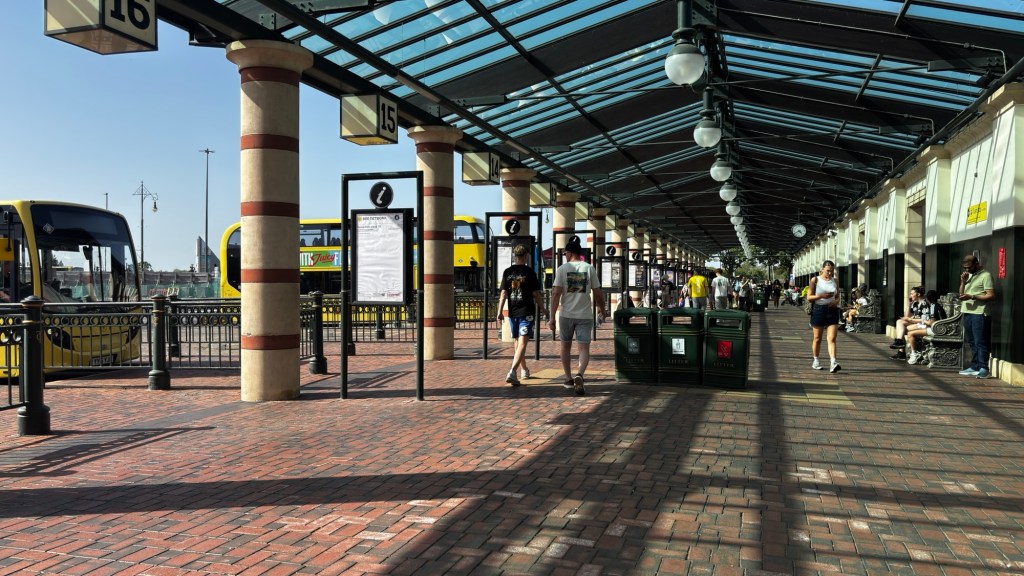
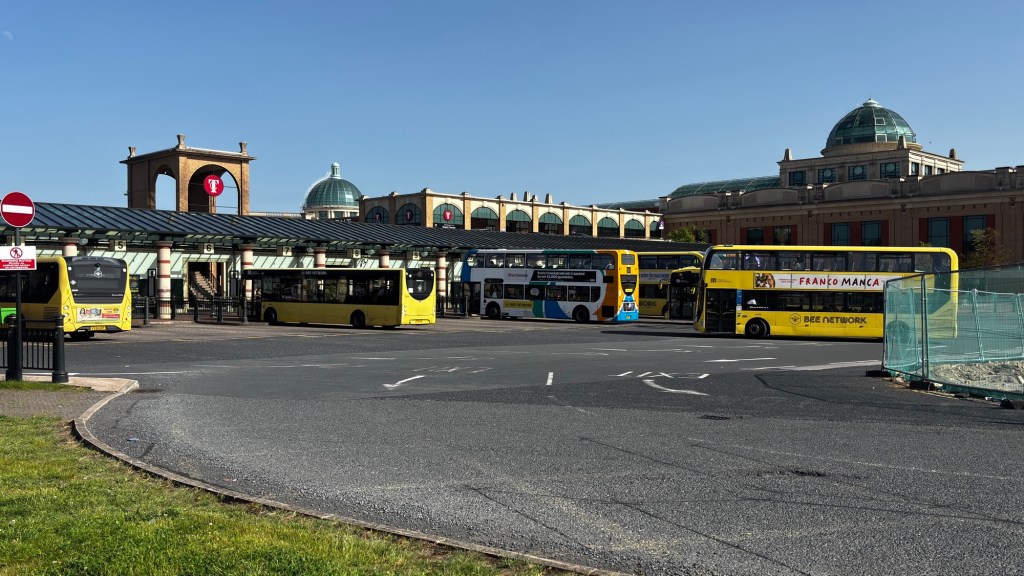
I visited the Trafford Centre on Monday 25th May and, with temperatures reaching around 31 degrees, it was certainly one of the warmest days I’ve spent exploring a bus station. Despite the heat, the area was incredibly busy with shoppers, families and buses constantly arriving and departing throughout the afternoon. The open design of the interchange meant there was very little shade in places, although it did make it easy to watch the variety of services coming in from across Greater Manchester.
One thing I really noticed during my visit was how modern the bus fleet has become under the Bee Network, which now oversees many services across Greater Manchester following the rollout of bus franchising. A large number of the buses operating through the station were newer electric vehicles, including Alexander Dennis Enviro400EVs and BYD Alexander Dennis Enviro200EV/BZL models, giving the station a much quieter and cleaner feel compared to just a few years ago. It definitely added to the experience seeing so many modern buses operating regular services to places such as Eccles, Bolton and Manchester City Centre.
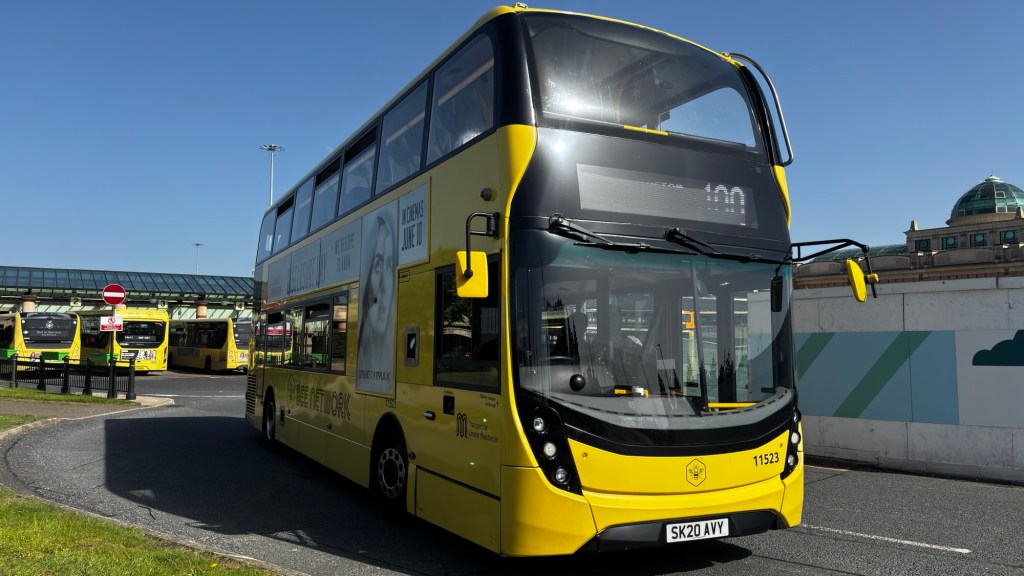
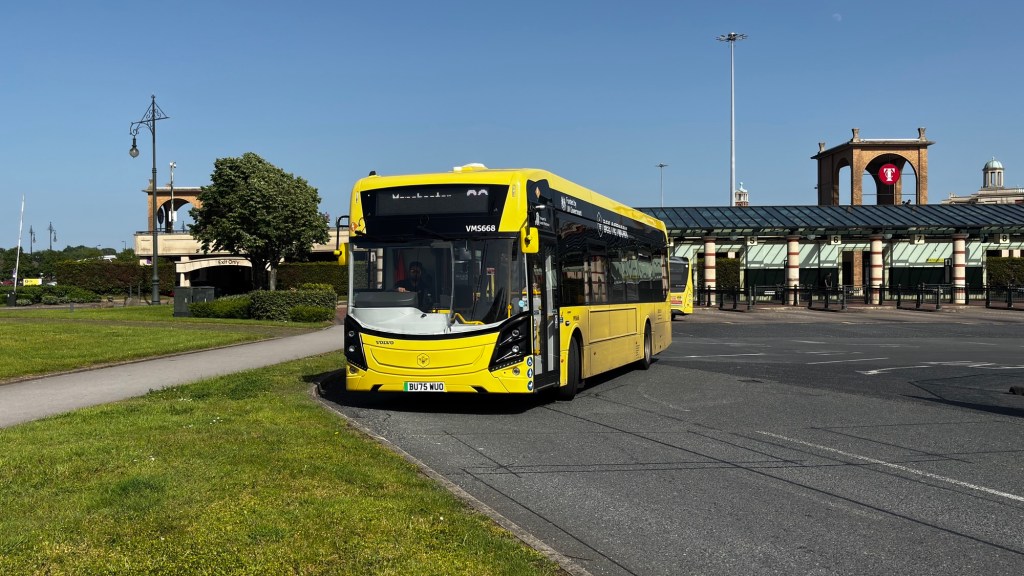
As you can probably tell from the striking bright yellow buses everywhere, Mayor of Greater Manchester Andy Burnham clearly wanted the Bee Network branding to stand out, and it certainly does. It almost feels like someone had Coldplay’s Yellow playing in the background when the decision was made to repaint the fleet, with the slogan “Say Yellow to the Bee Network” now becoming instantly recognisable across the region. Looking on Bus Times nowadays, it’s almost a complete sea of yellow vehicles spreading across Greater Manchester as more routes come under Bee Network control. The branding may divide opinion, but there’s no denying it gives the network a much more unified and modern appearance. Now though, it’s time to leave the Trafford Centre behind and head over to our next interchange — Eccles.
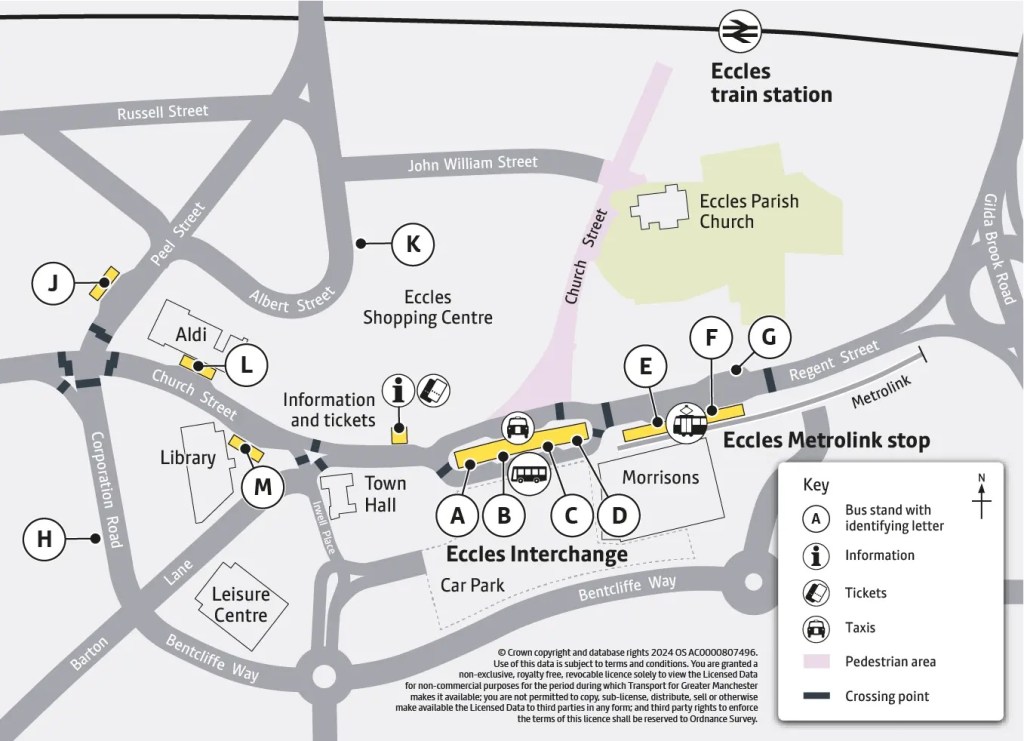
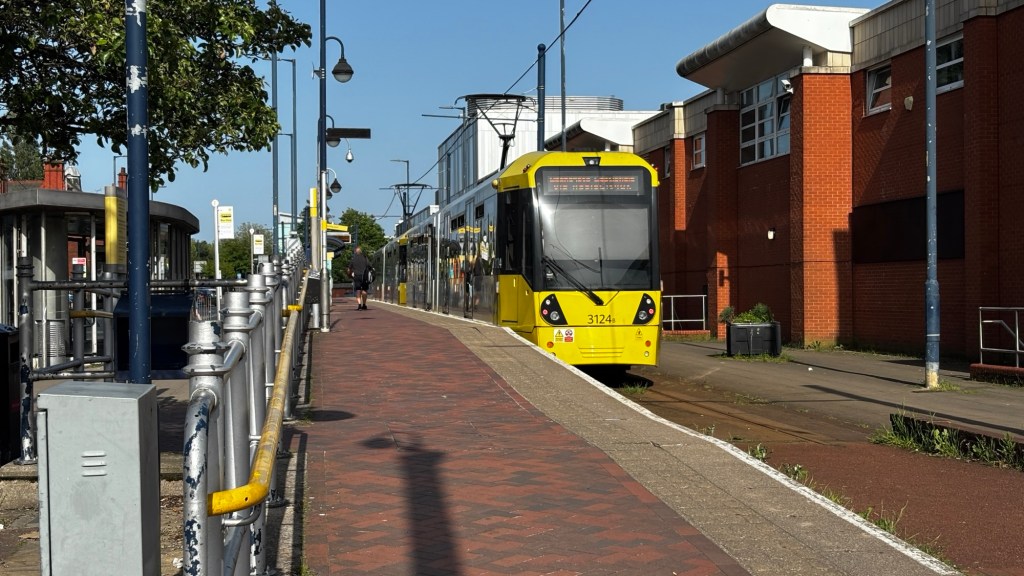
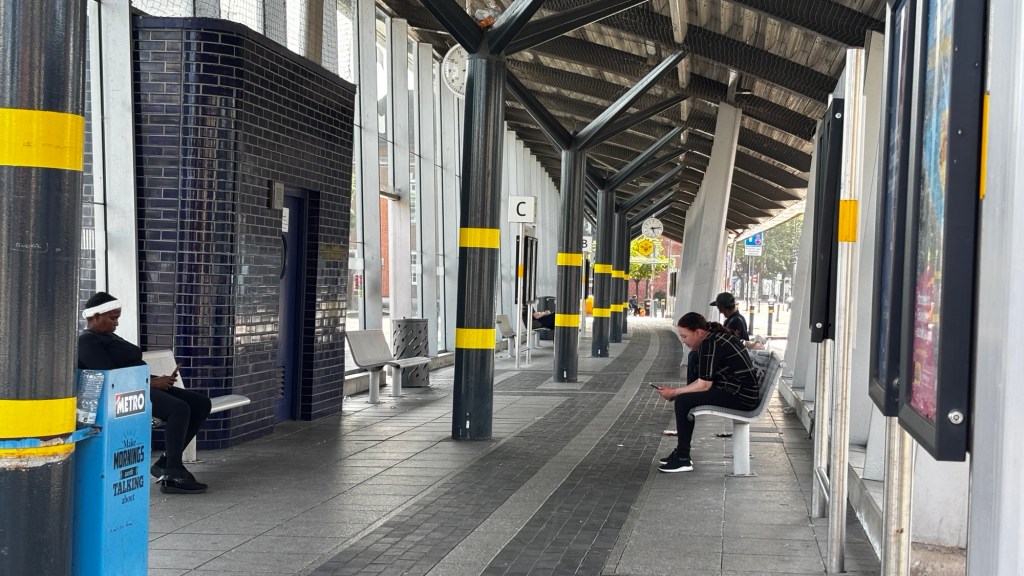
One thing that really stands out about Eccles Interchange is that it truly lives up to the word “interchange”. Unlike the Trafford Centre, which is purely a bus station attached to a shopping complex, Eccles brings together both local bus services and the Manchester Metrolink tram network in one place, making it far more connected from a public transport perspective. The Metrolink stop opened in 2000 as the terminus of the Eccles Line and provides direct tram services through Salford Quays and into Manchester City Centre, giving passengers easy connections across Greater Manchester without needing to rely solely on buses.
Alongside the trams, the bus station itself is served by a wide range of Bee Network routes linking Eccles with destinations across the region. Services such as the 21 head towards the Trafford Centre, while other routes connect places including Manchester City Centre, Bolton, Pendleton, Salford Royal Hospital, Swinton, Cadishead, Warrington and Stockport. Compared to the Trafford Centre’s modern retail-focused layout, Eccles feels much more like a traditional transport hub, with buses and trams constantly moving passengers between different parts of Greater Manchester throughout the day.
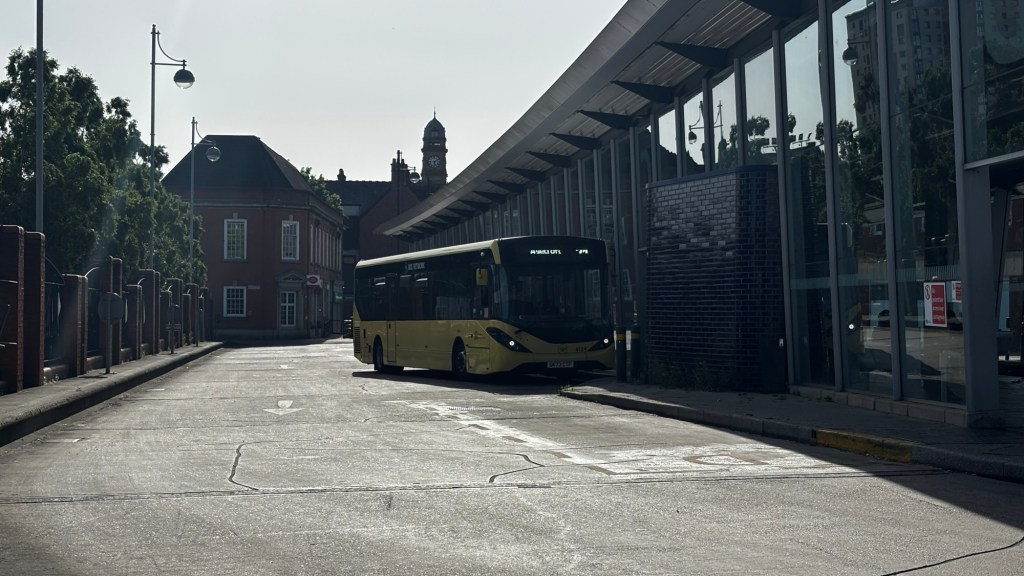
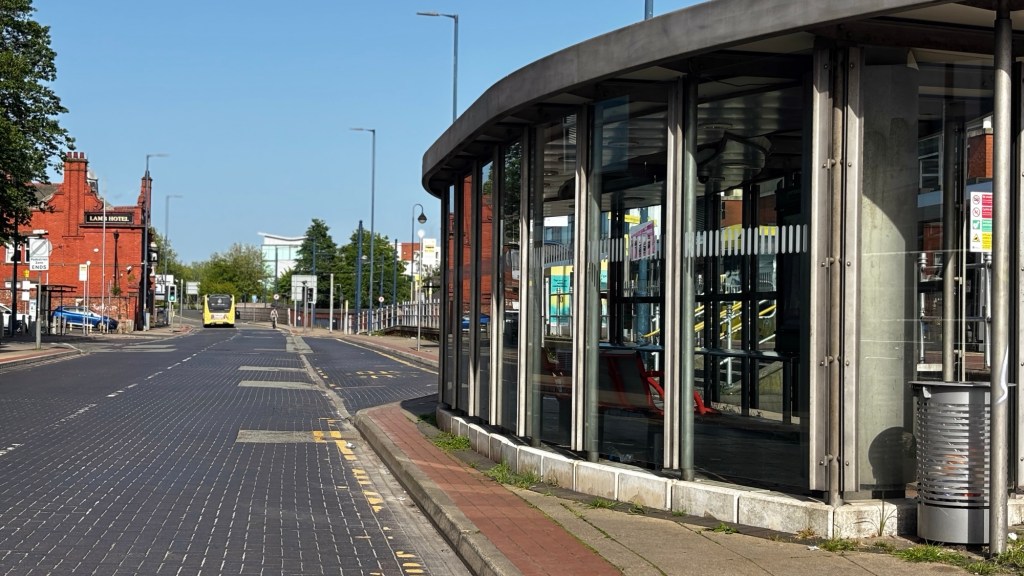
One thing I’ll definitely be keeping an eye on over the next few months is how Merseytravel and the Liverpool City Region Combined Authority begin shaping their own version of the Bee Network through the new Metro branding. From September and October, bus services in areas such as St Helens and the Wirral will begin coming back under public control for the first time in over half a century, which is a massive change for public transport across the region. It marks the beginning of a much more joined-up network, where routes, fares and branding can all be planned centrally rather than by individual operators competing against one another.
In many ways, it feels very similar to the early stages of Greater Manchester’s Bee Network rollout, especially with the focus on creating a more unified identity across buses and other forms of transport. While Liverpool City Region is still at the beginning of that journey, you can already see comparisons starting to appear through the Metro branding and infrastructure improvements. St Helens Bus Station being rebuilt and remodelled is a good example of that investment, helping modernise facilities ahead of the changes to services. It will be really interesting to see whether the Liverpool City Region eventually develops the same sort of recognisable network identity that Greater Manchester now has with its sea of yellow Bee Network buses.
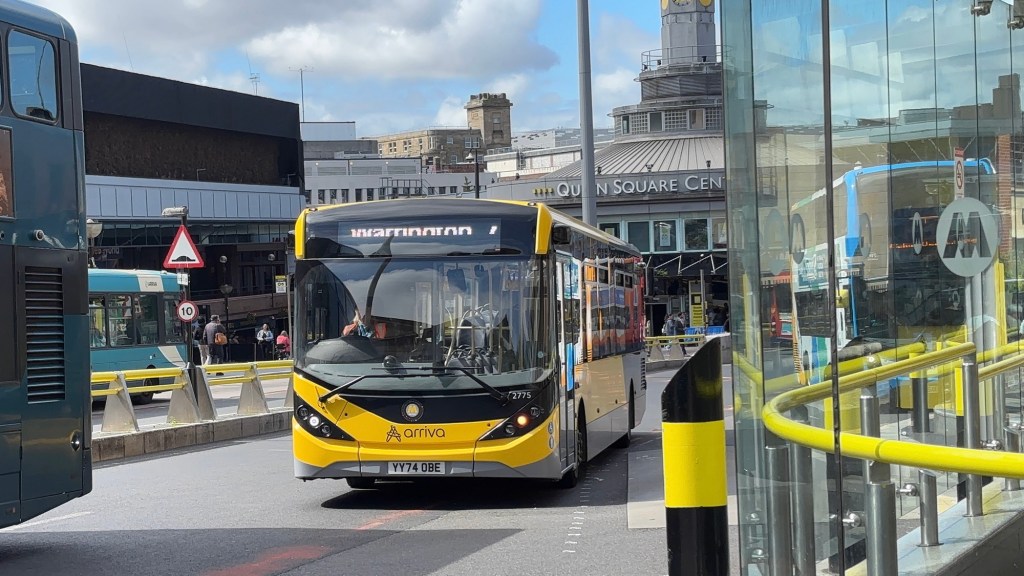
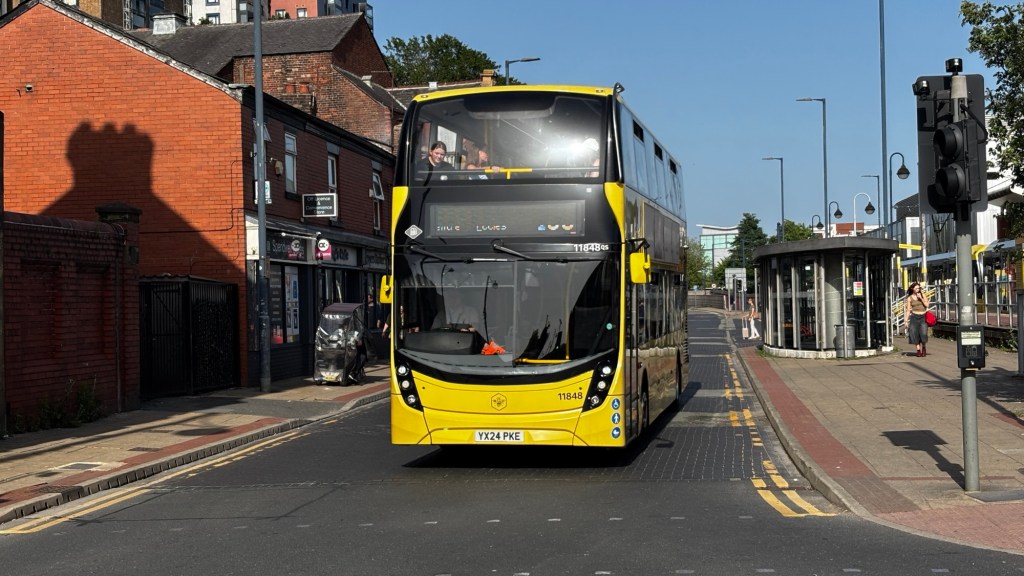
As you can see, the Liverpool City Region Metro branding uses a slightly darker shade of yellow compared to the much brighter Bee Network colour scheme seen across Greater Manchester. The design takes clear inspiration from the new Class 777 trains, which first entered passenger service in 2023 on the Kirkby line before gradually expanding across the rest of the Merseyrail network. Now, the entire network is operated by the modern Class 777 fleet, giving Merseyrail a far more modern and consistent appearance than it had just a few years ago.
I do think the darker yellow works really well for the Liverpool City Region, especially as it feels a little cleaner and less overpowering visually compared to the Bee Network’s very bold bright yellow buses. While Greater Manchester’s branding is designed to stand out instantly, the Metro branding feels slightly more subtle whilst still being recognisable. It also helps tie together the wider public transport network, especially with the similarities between the bus branding and the new trains, something that could become even more important as more services move into public control over the coming years.
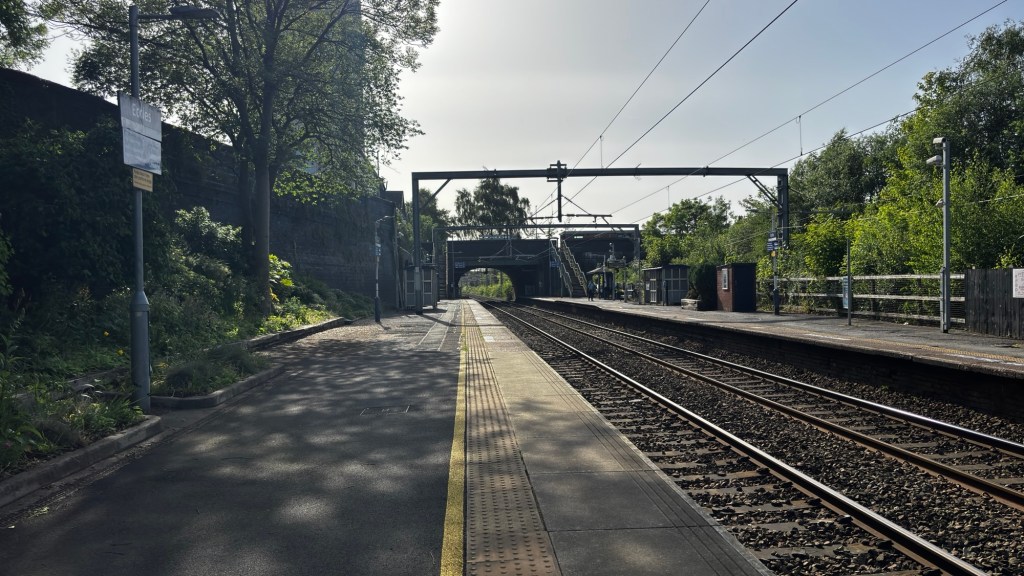
However, to end on this note, Eccles station is only a short walk from the bus interchange—around five minutes through the town centre—making the connection between rail and bus services fairly straightforward once you’re on the ground. It’s something I’ll definitely be covering in more detail when it eventually appears in my “Visiting Every Station” series, as it ties in nicely with how interconnected transport in this area really is. For now though, I hope you’ve enjoyed this latest instalment of my Bus Stations series; I’ve got a long list of bus stations and interchanges I’ve already visited, so there’s plenty more content to come, and I’d really recommend checking out the rest of the series if you’re interested in seeing how different transport hubs across the region compare.


Leave a comment