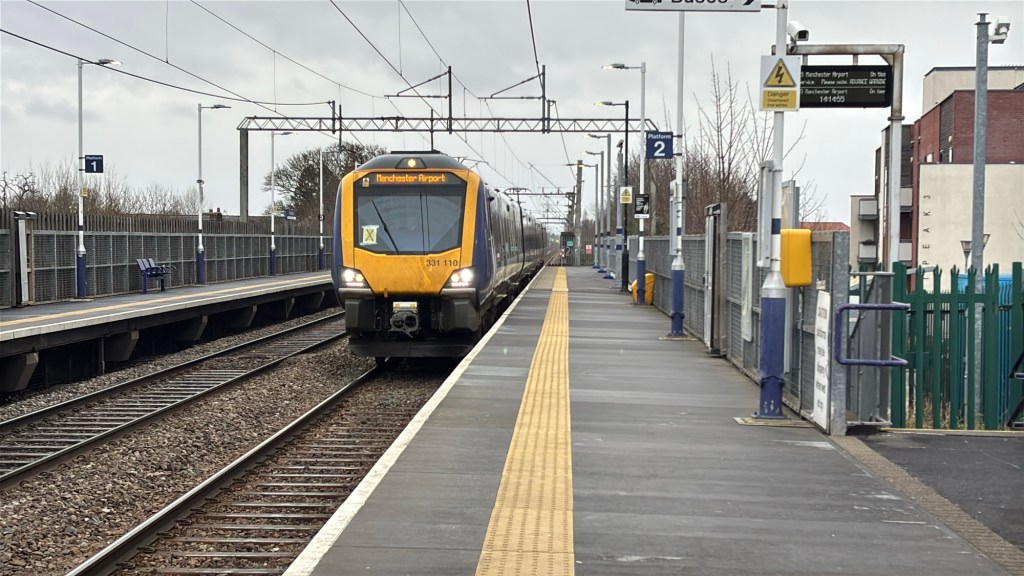
In our upcoming adventure, I will be visiting stations along the mainline between Liverpool Lime Street and Manchester Airport, which serves Northern, TransPennine Express, and some TfW services. I will begin my journey at Liverpool Lime Street station, but we won’t fully complete our visit to the station until we explore the lines up to Wigan and Warrington Central as well. From Liverpool Lime Street, I will head to my first station, Wavertree Technology Park.
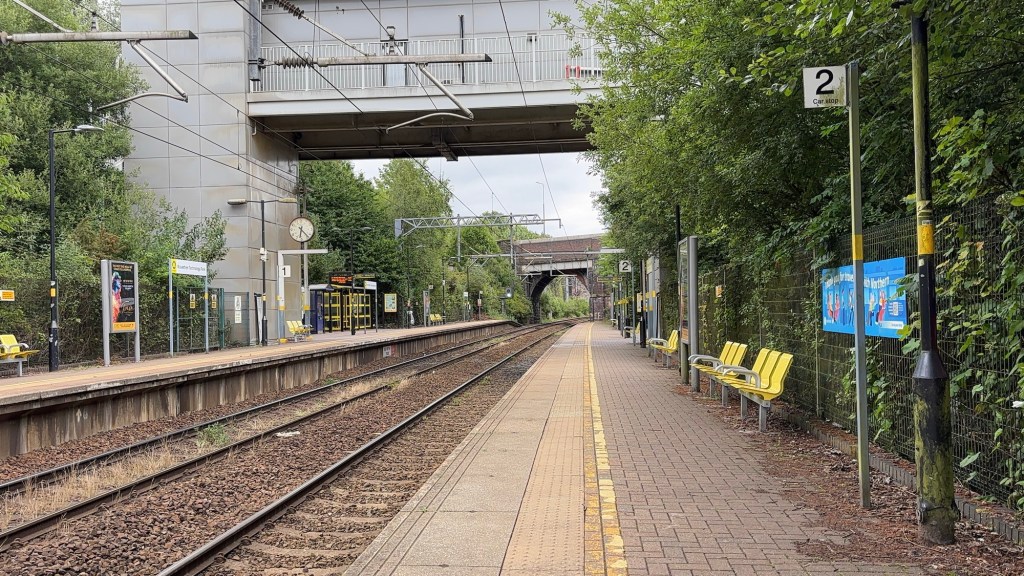
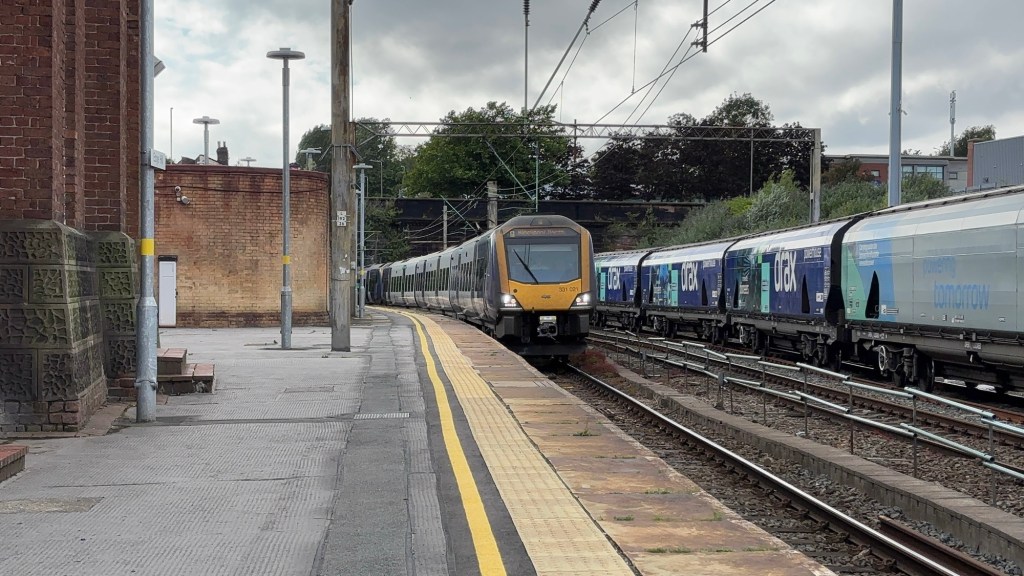
From Wavertree Tech Park, I make my way towards Edge Hill, one of the oldest stations still in operation, having opened in 1836. It replaced the original Edge Hill station on the line down towards Crown Street, which had opened in 1830 but closed when Liverpool Lime Street station opened to replace it in 1836. Crown Street stayed open for a number of years after that as a goods yard but closed fully in the 1970s. I rather like Edge Hill station as it’s the penultimate station upon arrival into Lime Street’s famous tunnels.
Starting from Edge Hill, I travel up the line towards Roby Station, one of two stations with four platforms. The section from Broad Green doubles to four tracks: two head towards Manchester Piccadilly and the airport, while the other two lead towards Wigan and Preston. Transpennine Express services use the Wigan branch to continue towards Glasgow Central. From Roby, I proceed to Broad Green Station, which is currently in a bit of a mess.
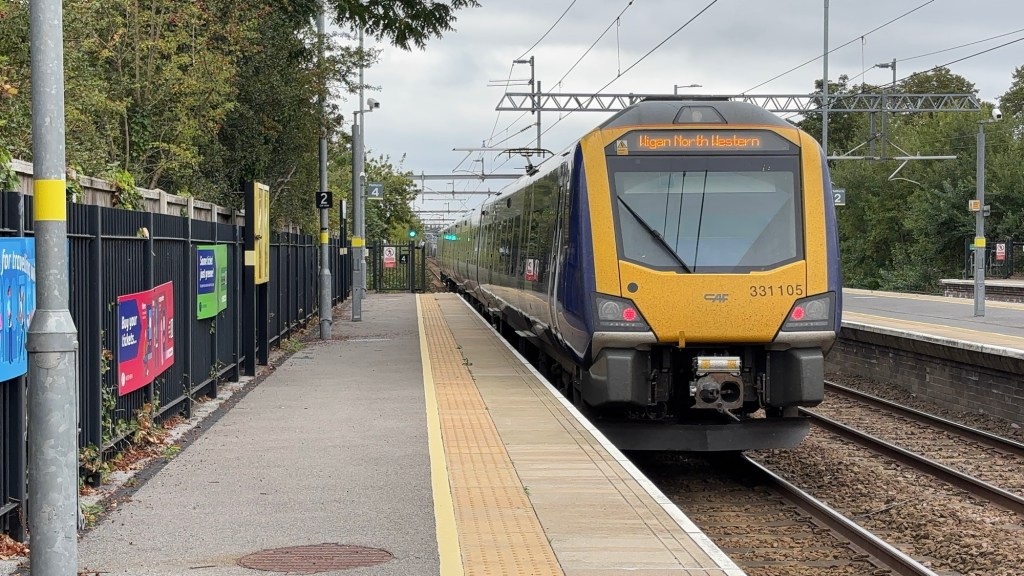
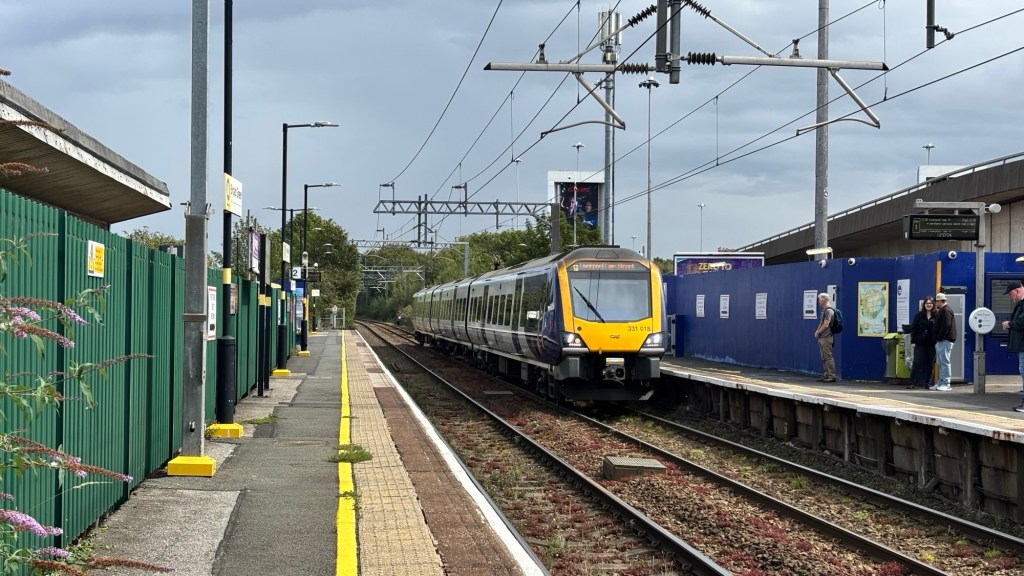
From Broad Green, I take my next train to Lea Green, skipping Huyton station in this post, as I plan to visit that station when exploring the branch towards Wigan North Western. From Lea Green, I continue down the line towards Whiston. This section of the line has an hourly service, with trains from Liverpool Lime Street to Manchester Airport operating only once an hour, unlike the Wigan branch, which runs every half hour. This requires me to skip some stations to make my visits more manageable.
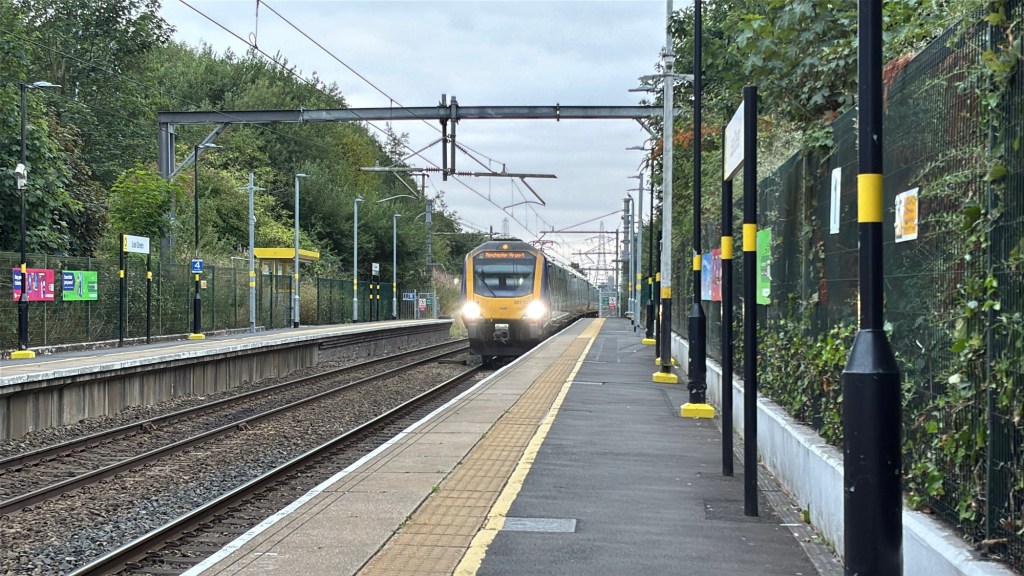
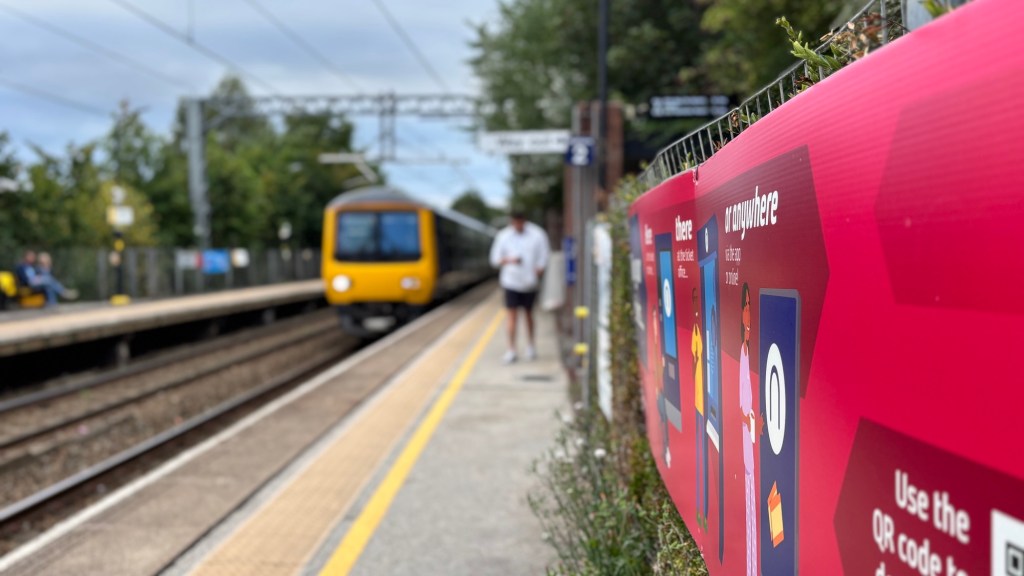
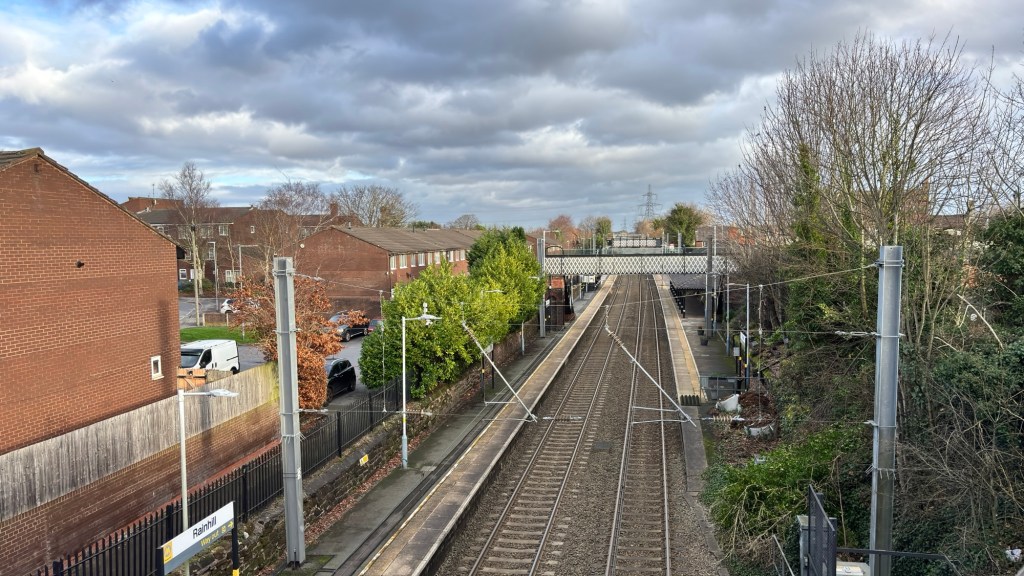
From Whiston, I’ll head to my next station, Newton-le-Willows. I quite like this station as it is one of the original stations on the line, opening as early as 1830, alongside Rainhill Station, which we are also visiting. Rain Hill is where the trials took place in 1829 before the main station itself opened to passengers in 1830. Crown Street, Edge Hill, Broad Green, and Rain Hill were some of the original stations to open in 1830, five years after the Stockton to Darlington Railway.
I quite like this line; it feels like a mainline railway, although it operates more like a suburban local railway with an hourly service run by Northern Trains. However, from Liverpool to Newton-le-Willows stations, the service is operated by Mersey Travel/Merseyrail. From Rain Hill Station, I then head up the line to Earlestown, one of only two triangular stations still in operation on the mainline railway.
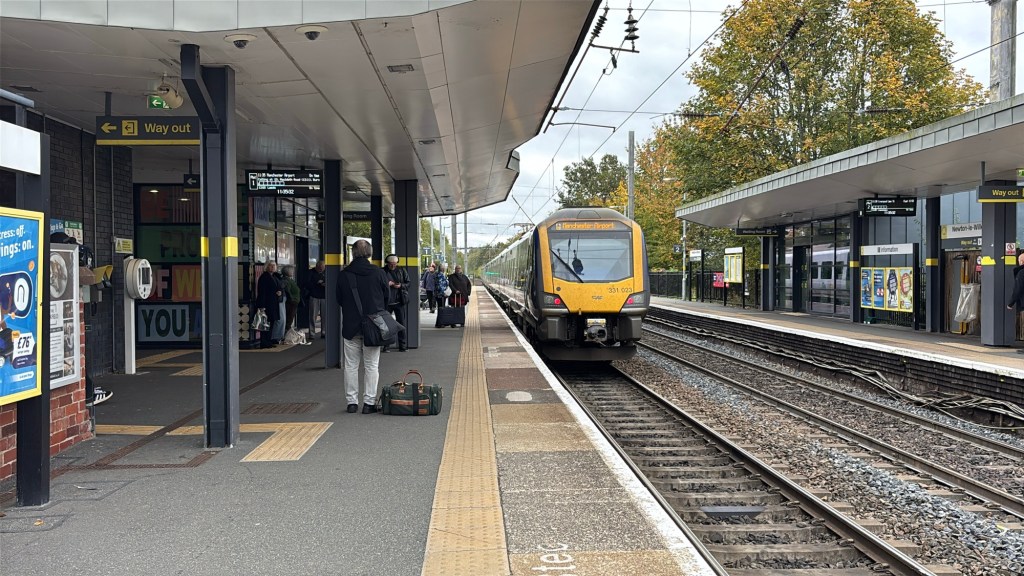
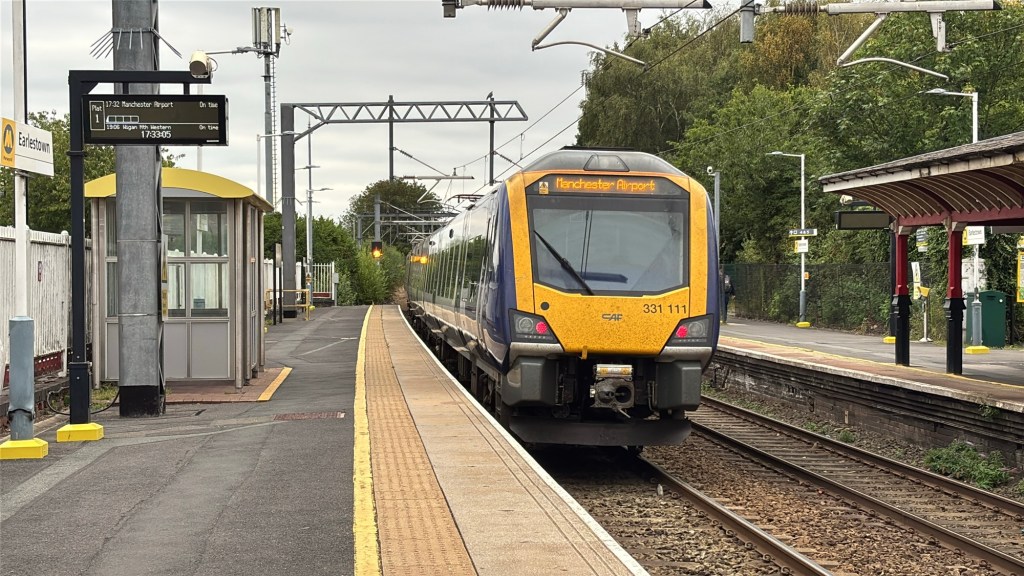
From Earlestown Station, I travel to St Helens Junction, the final station in the Merseyside Boundary for me. This station boasts a rich history, with disused platforms and an old railway line that once linked St Helens Central and Junction stations. Although the line is no longer operational and mostly built over, some sections still exist. For now, we continue to our next stop, Patricroft Station, as we make our way into Manchester.
Starting from St Helens Junction Station 47/2592, I head to Patricroft Station 48/2592. From there, I will walk alongside the mainline towards Eccles Station, the first station in Greater Manchester. As we move away from Merseyside and into the Central Zone of Manchester itself, I will be skipping Deansgate, Manchester Oxford Road, and Manchester Piccadilly in this post, as I plan to visit them at a later date.
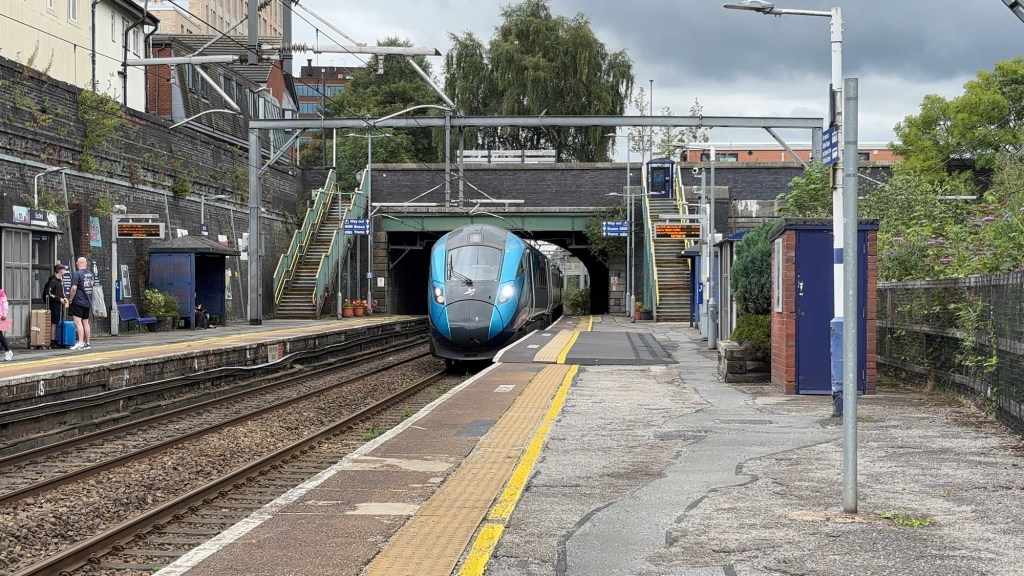
From Eccles, as we approach Manchester City Centre, the railway hub, this area is known as a bottleneck, with all trains running on two lines entering the core section from Deansgate Station through Manchester Oxford Road, which has five platforms. We then proceed to Manchester Piccadilly platforms 13 and 14. This section is consistently congested and becomes very busy during peak times, causing train delays. With multiple services from Glasgow, Blackpool, Chester, and Liverpool Lime Street, congestion is common.
From Eccles Station, I then head to Burnage on the line from Stockport towards Manchester Airport. Heald Green, Burnage, East Didsbury, and Mouldeth Road all appear very similar in design, featuring prefab platforms and basic entrances with steps and ramps, all rebuilt in the 1990s, I believe, when things were constructed on the cheap. There are no lifts for proper step-free access, and you also have to walk a long way around the station to reach the other platform.
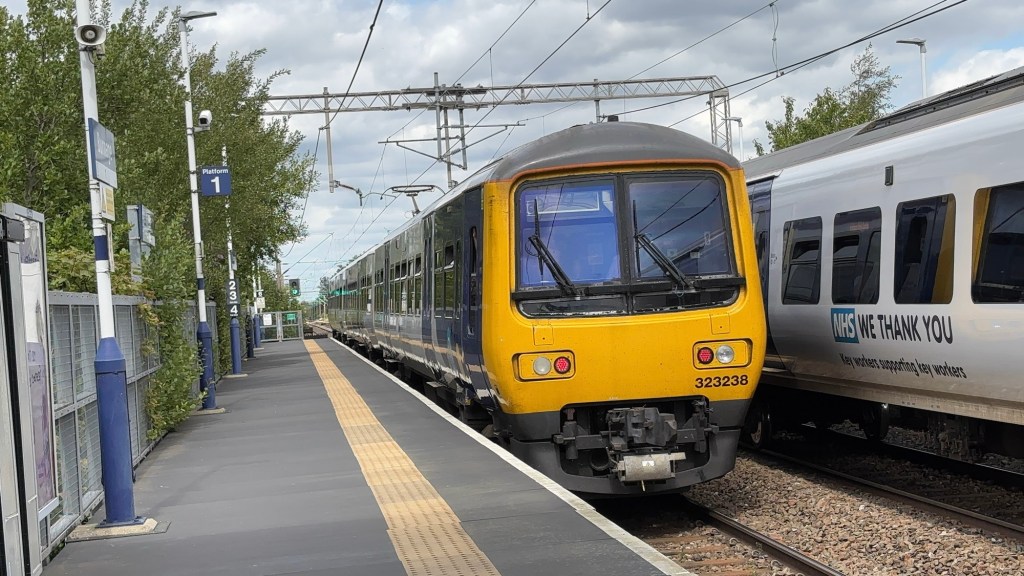
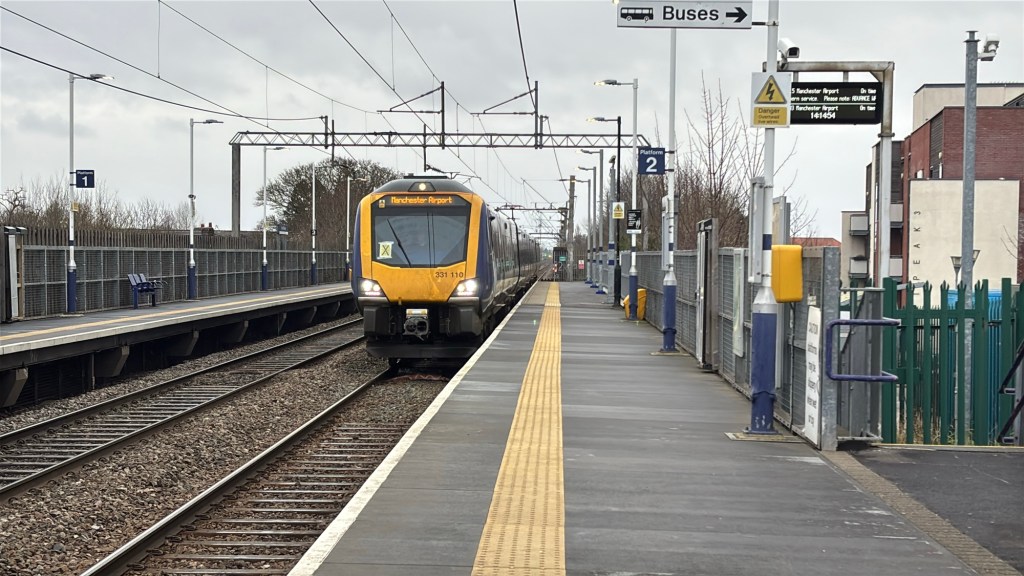
Starting from East Didsbury, I travel one stop down the line to Mouldeth Road Station (52/2592). From there, I continue to Heald Green, followed by Gatley. The stations along this line are quite basic, featuring two platforms with minimal amenities such as ticket offices, bin bags, and step-free access. Finally, I proceed from Gatley Station to my destination, Manchester Airport, the end of the line.
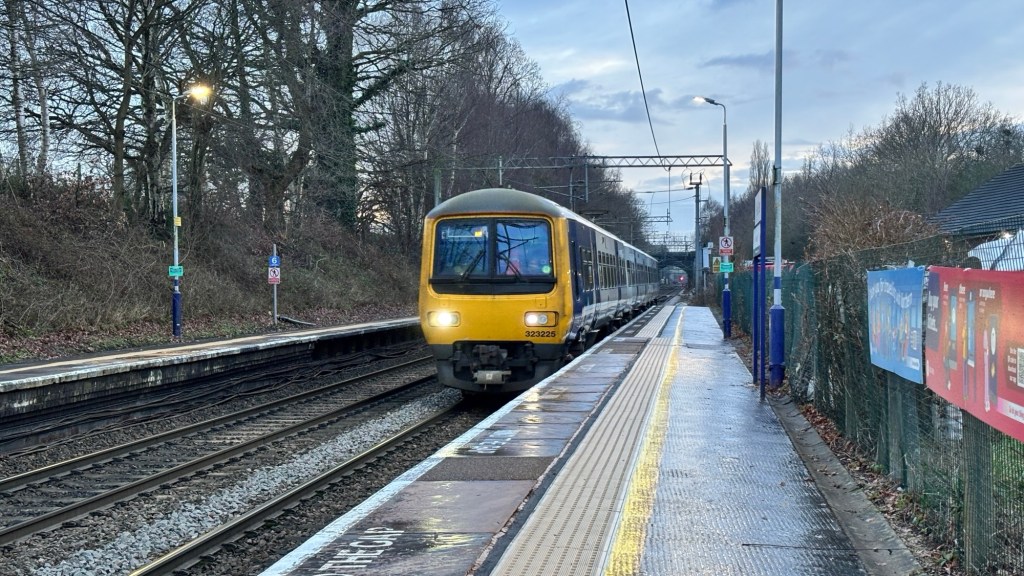
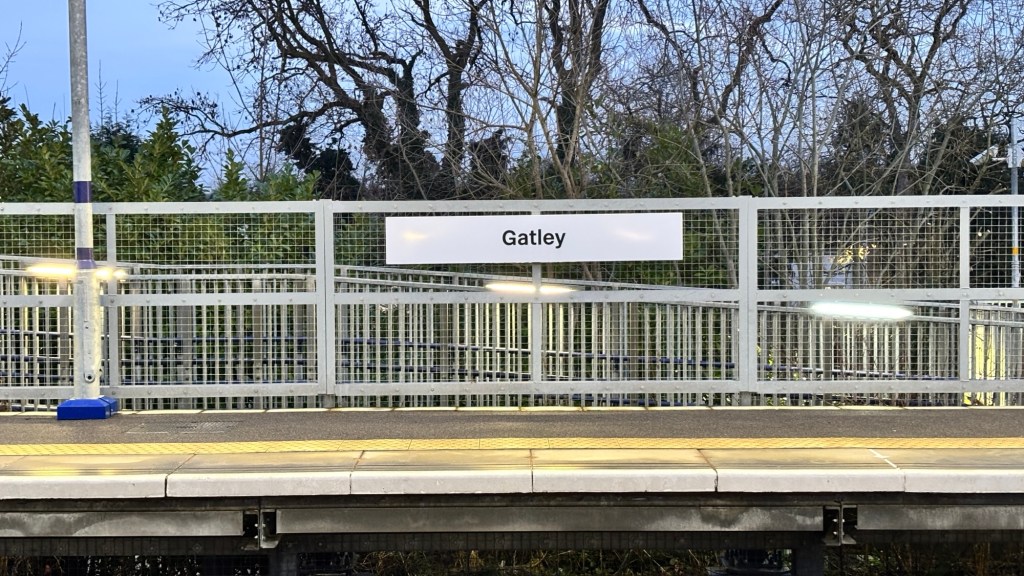
Finally, from Gatley Station, I head to Manchester Airport, the end of the line. It is an unusual station as it is a reversing station, very similar to Bradford Station in South Yorkshire. Gatley Station is quite similar to Burnage, East Didsbury, and Mouldeth Road stations, featuring very basic platforms, no ticket machines, and very long ramps and steps leading up to the station itself. Manchester Airport Station will be a station I visit quite often, with services to places like Blackburn, Bolton, Wilmslow, and Crewe. Manchester Airport Station is station 55/2592.
Unfortunately, I lost a few photos from the trip I took along the line back in late 2025. I’m glad to be back visiting every station in the United Kingdom. The next post will be from Huyton through to Wigan North Western, then onward towards Preston. I hope you’re enjoying the posts once again. Please leave a comment below and let me know which stations you’re excited to see again.
 Joel Hardy
Leave a comment