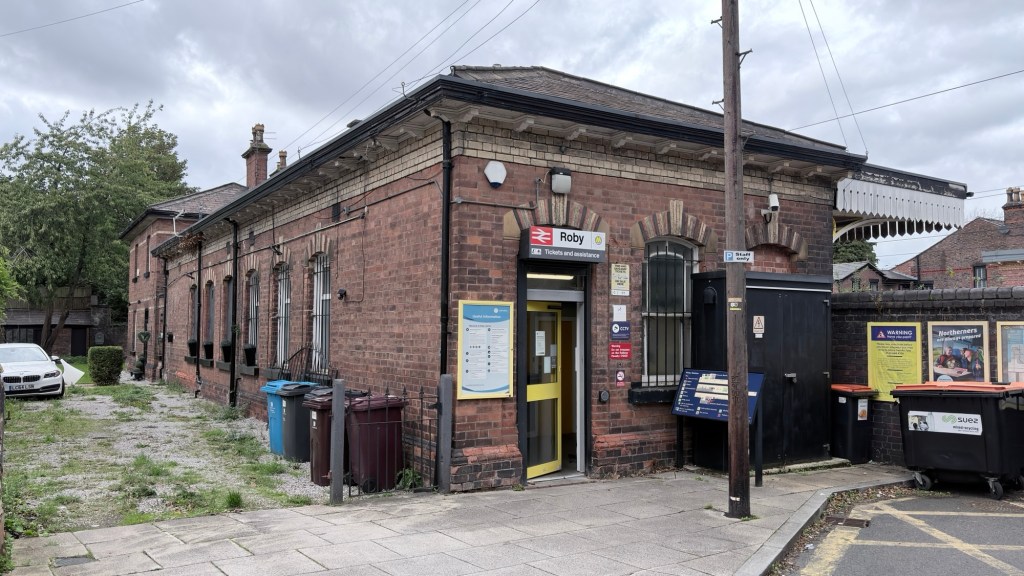
On 19th September 2026, I headed out to visit the stations between Liverpool Lime Street and Newton-le-Willows, travelling along part of the historic Liverpool to Manchester railway line. The line originally opened in 1830, running between Crown Street in Liverpool and Liverpool Road in Manchester, creating a direct railway connection between the two cities. This was a hugely important moment in railway history, as it showed that railways could be used to connect major cities and transport both passengers and goods over longer distances. Crown Street was the original starting point on the Liverpool side, while Liverpool Road in Manchester became the other end of the line, although both stations have long since been replaced by the railway stations we know today.
My first station of the day was Roby. It was a fascinating place to begin the journey, especially with the history of the line in mind. One of the most famous parts of that history happened just before the railway opened, at Rainhill in 1829, where the Rainhill Trials took place to determine what type of locomotive would be best suited to operating on the new railway. Several locomotives took part in the trials, but it was George Stephenson and his son Robert’s Rocket that ultimately became the winner, proving itself to be the most successful design. It was a fascinating piece of history to have in mind while travelling along this route, knowing that I was following part of one of the world’s earliest inter-city railway lines and visiting stations along a route that played such an important role in the development of modern rail travel.
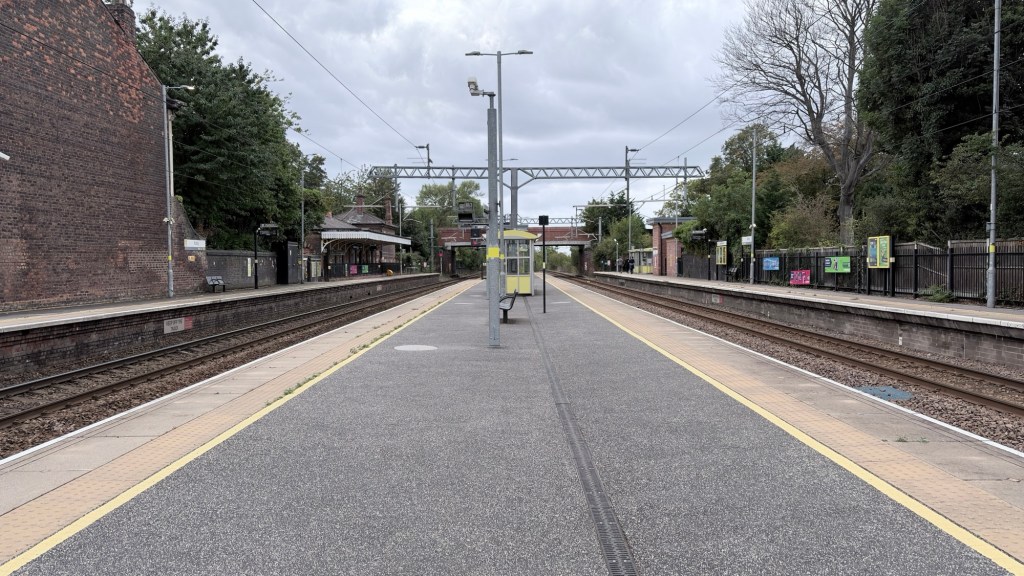
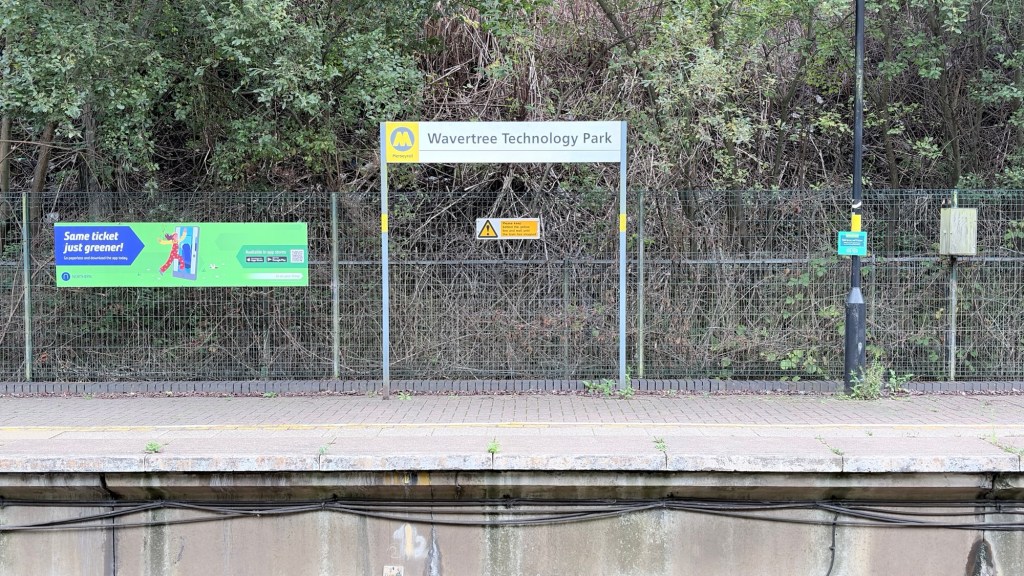
From Roby, I took my next train to Wavertree Technology Park, which is one of the newer stations along this historic line, having opened in 2000. The station was built to provide better access to the nearby university campus and surrounding area, and over the years it has become a fairly popular stop for passengers travelling between Liverpool and Manchester. It was nice to finally visit the station as part of my journey along the line, especially knowing that although Wavertree Technology Park is relatively modern compared with some of the much older stations along this route, it still forms part of the wider Liverpool to Manchester railway and helps connect the local community with both cities.
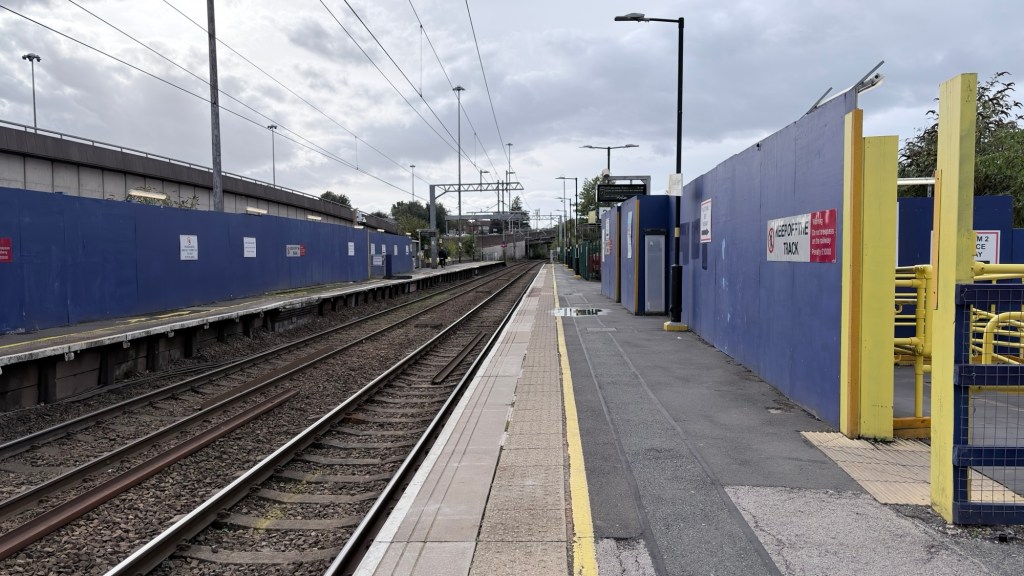
From Broad Green, I caught the 15:09 service towards Rainhill, a station I was particularly looking forward to visiting after mentioning the famous Rainhill Trials earlier in this post. With Rainhill station approaching its 200th anniversary in 2029, it will be quite a milestone to see, and I hope that I will still be bringing you updates from my travels here on the blog when that anniversary comes around. There is something quite special about travelling along this historic railway line and knowing just how much history is connected to the stations along the route, especially Rainhill and its links to the early days of the railway.
Broad Green itself, however, was a rather disappointing station to visit, as it is currently looking very tired and in need of some attention. I believe lifts were originally due to be installed around 2020/2021 to improve accessibility, but the work has unfortunately been delayed, with the original contractors reportedly going bust. As a result, the station remains in a rather sorry state at present, which is a shame considering how many passengers use the station and how important accessible railway stations are. Hopefully, the long-awaited improvements will eventually take place and Broad Green can receive the investment it deserves.
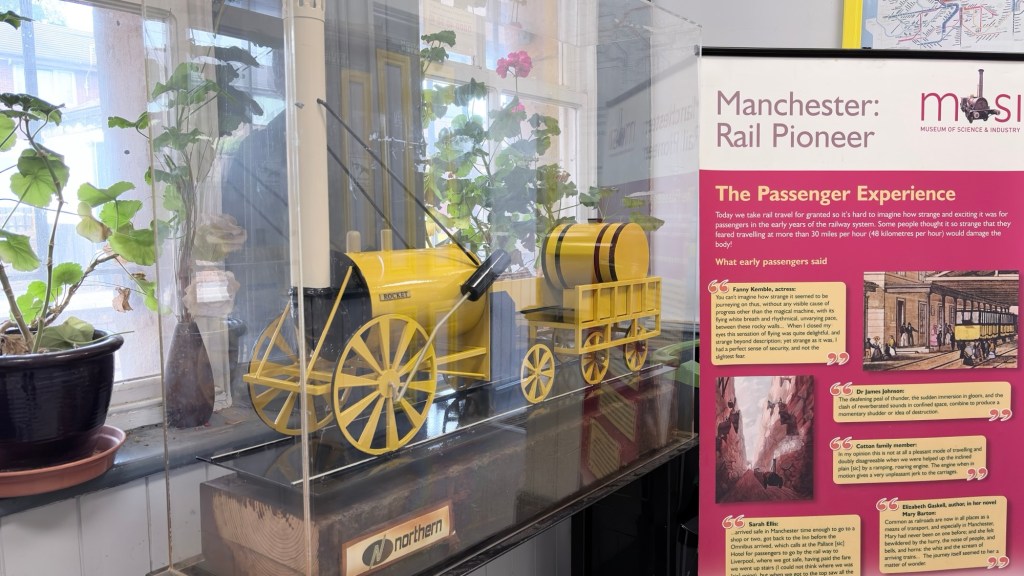
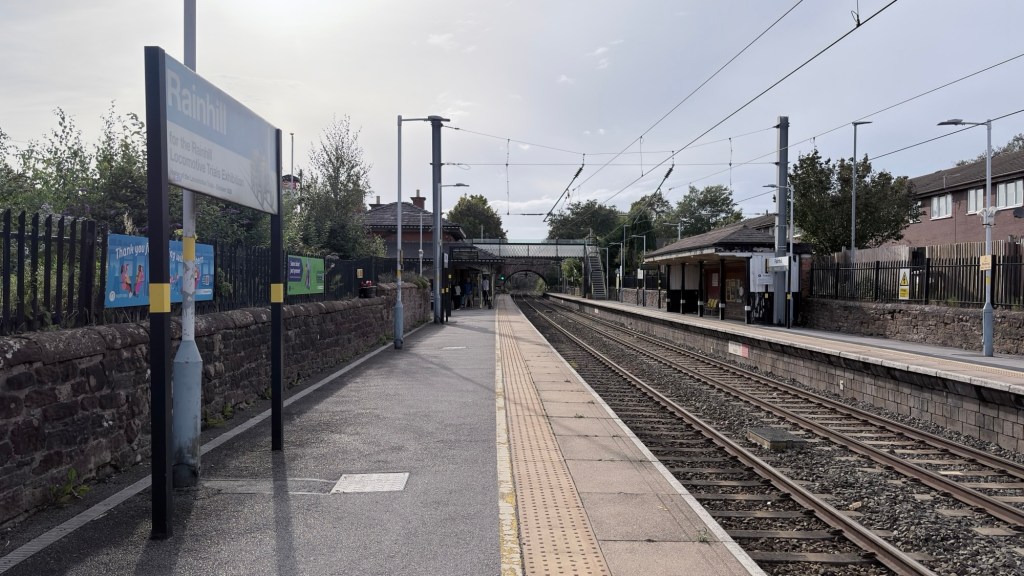
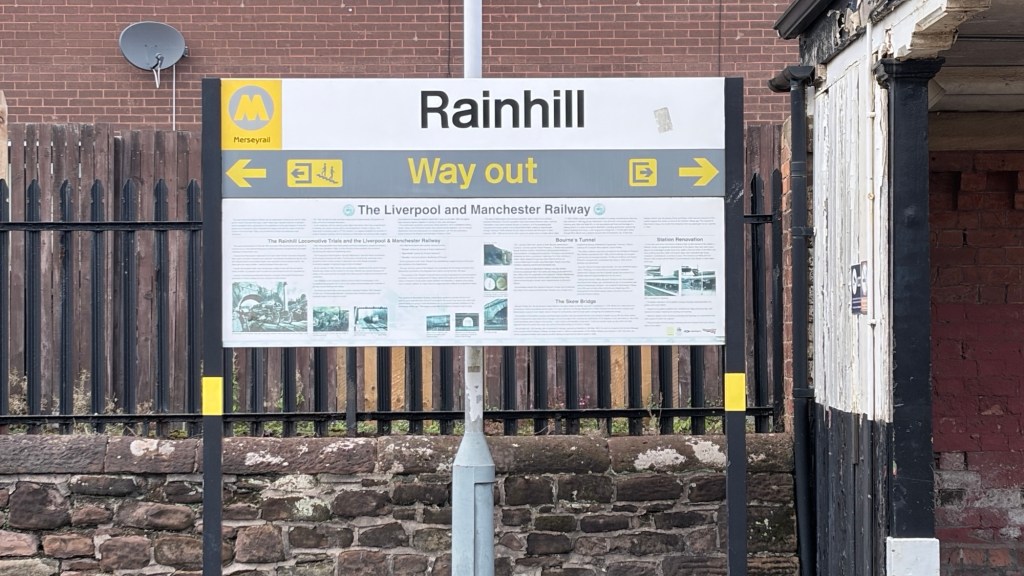
While I was at Rainhill station, I had just enough time to nip into the local pub for a quick loo break, although unfortunately I didn’t have enough time to grab a drink while I was there! My train from Rainhill was then running up to around 10 minutes late due to congestion further along the line in the Manchester area, particularly between Manchester Piccadilly and Manchester Oxford Road, where the railway can become something of a bottleneck. With the line mostly operating as a dual-track railway into a five-platform station, delays can quickly have a knock-on effect to services further along the route. This did mean that when I arrived at Whiston, I only had around four minutes to get across the footbridge and make my connection for the next train towards St Helens Junction, so it was a bit of a rush, but thankfully I managed to make it across in time and continue with my journey.
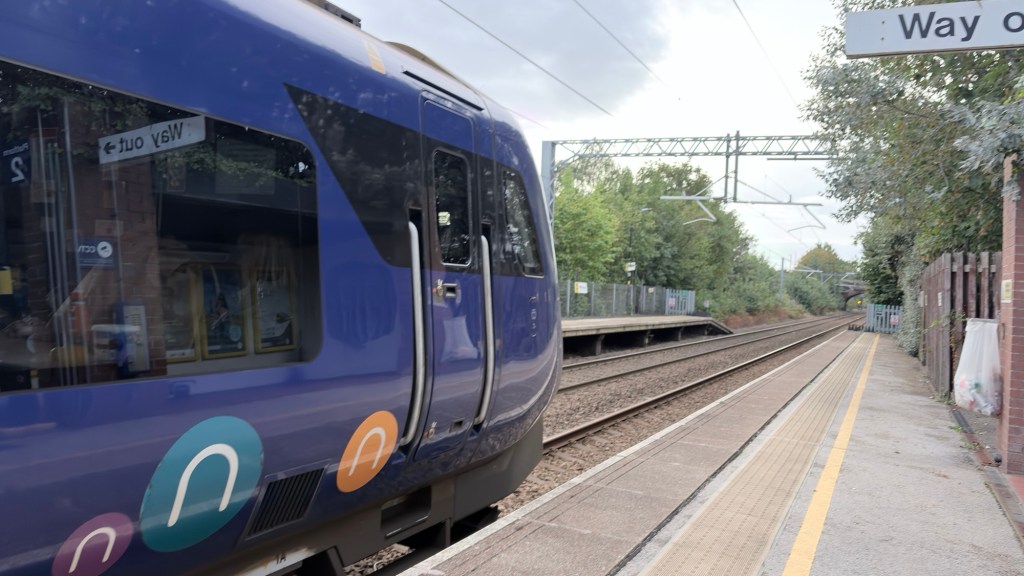
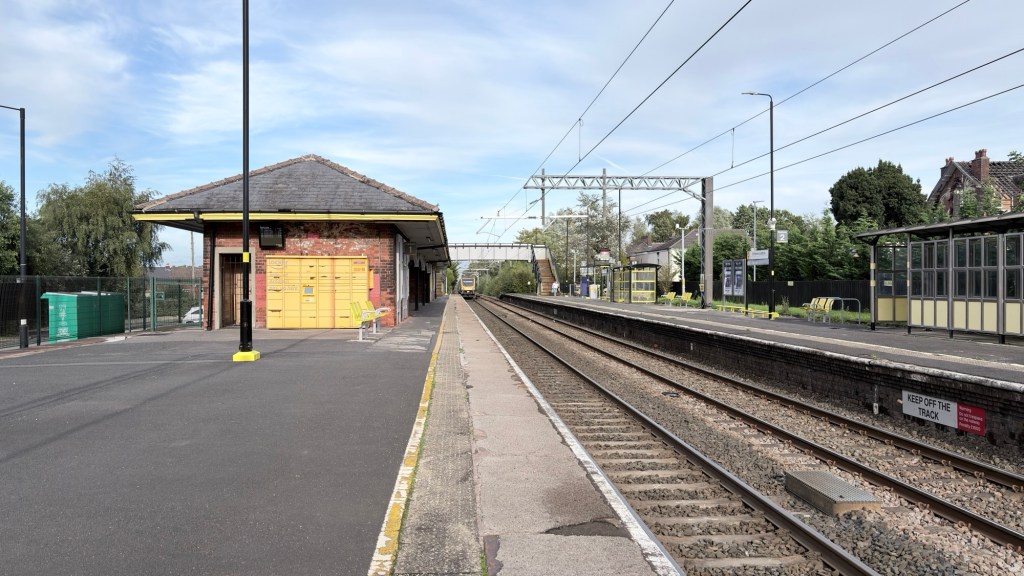
St Helens Junction is a rather interesting station with plenty of history, much like Rainhill earlier in my journey. The station was once a proper junction, with a line heading towards St Helens Central and several stops along the way. You can still get a sense of the station’s former layout today, as the platform I was standing on is particularly wide and appears to have once been part of an island platform, allowing services from the St Helens direction to terminate here. After having a look around the station, I then headed one stop further along the line to Earlestown. Before catching my next train, I decided to nip into the nearby Junction Inn, which is conveniently located just opposite the station, where I had time to grab a quick pint before continuing with the next part of my journey.
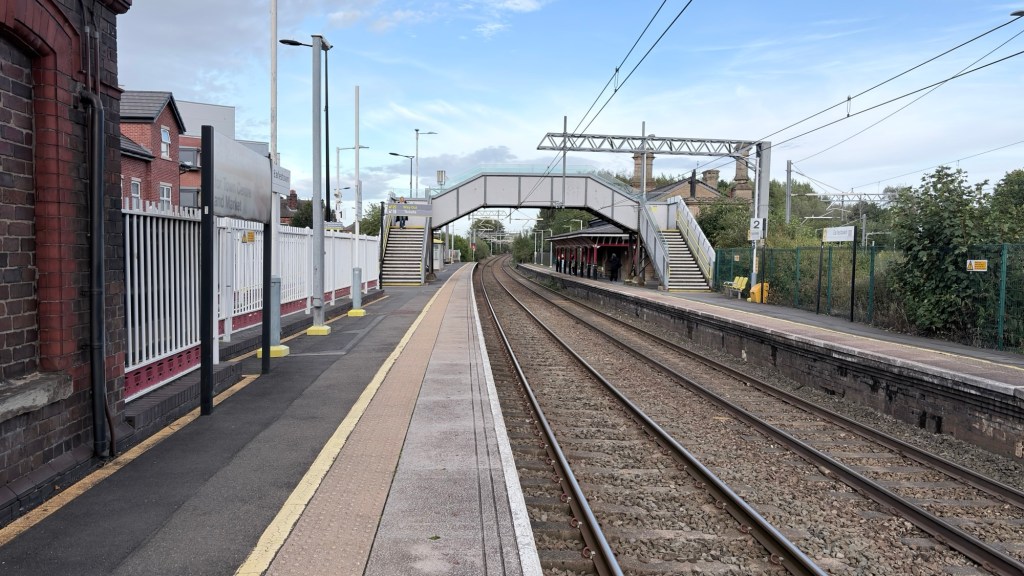
From Earlestown station, I only had around 20 minutes to wait before my connecting train back down the line towards Lea Green, which would be my next and penultimate station of the day before continuing on to Newton-le-Willows, where I would finish my journey. I’ve had such a fun evening travelling along the historic Manchester line from Liverpool Lime Street, visiting the different stations along the way and learning more about the history of this fascinating railway. I’m hoping that in my next post I can continue my journey further along the line towards Manchester Piccadilly and eventually Manchester Airport, giving me another opportunity to explore more of this historic route.
Earlestown is also a rather interesting station, as it is one of only two triangular railway stations in the UK, with the other being Shipley in West Yorkshire. I recently visited the branch towards Ilkley from Shipley, which you can read about in my previous Every Station post. It’s been really nice to get back to focusing on one of my biggest passions, visiting all 2,598 railway stations across the United Kingdom, and I’m looking forward to continuing the challenge. However, before my next station adventure, I have something rather special coming up on Sunday 27th September, when I plan to visit Britain’s 2,599th railway station, Balgray in Glasgow, Scotland, following its opening as a brand-new station.
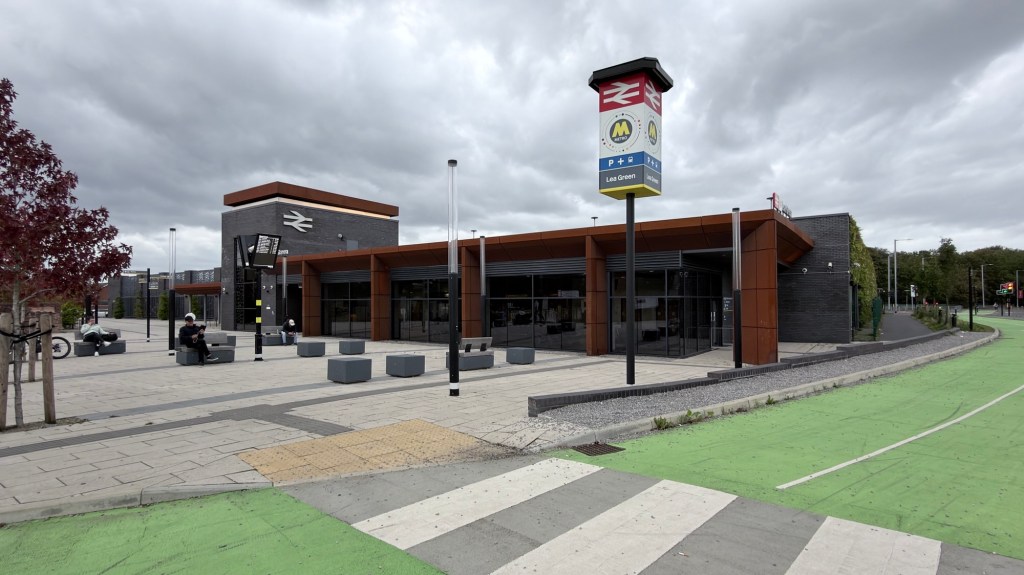
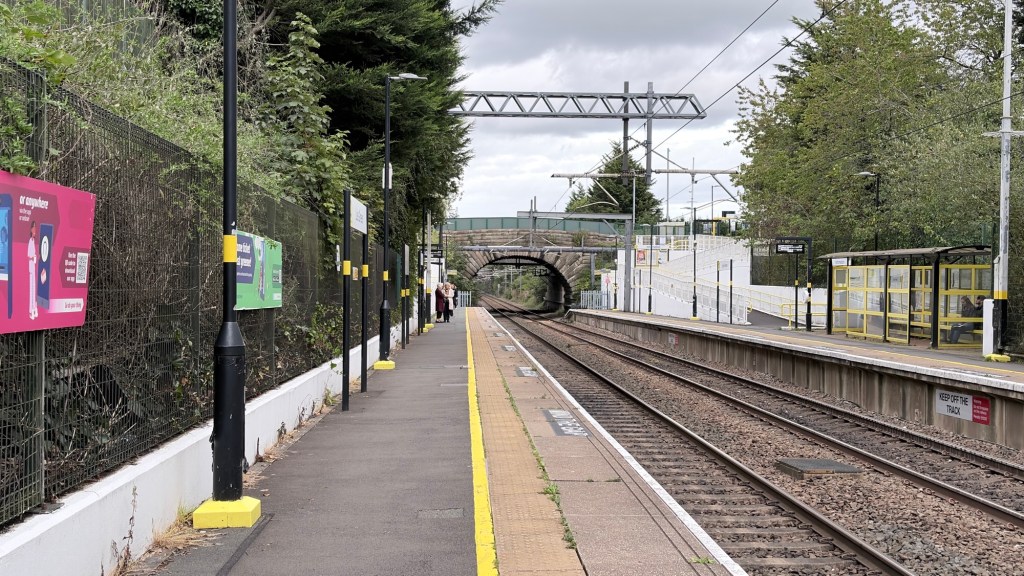
From Lea Green, I took the 18:07 train towards Newcastle, alighting at Newton-le-Willows, which would be my final station of the day. After spending the evening travelling along the historic Liverpool to Manchester line and visiting the stations along the route, it was time to make my way home. I caught the 18:19 service from Newton-le-Willows back to Liverpool Lime Street, arriving at around 18:54, just before 7pm. It was a really enjoyable way to spend the evening, and it was great to get back out visiting stations and continuing my Every Station challenge after spending some time focusing on other adventures.
Unfortunately, I don’t think I’ll be able to do evening runs like this for much longer as we head into the darker months of October, November and December, with the daylight hours becoming shorter and shorter. However, I’ve really enjoyed being back out exploring the railway and I hope you’ve enjoyed reading this post and following my journey along the line. There are still plenty more stations for me to visit, and I’m already looking forward to getting back out there and continuing my journey from Newton-le-Willows towards Manchester Airport, visiting the stations along the way and seeing where my next adventure takes me.
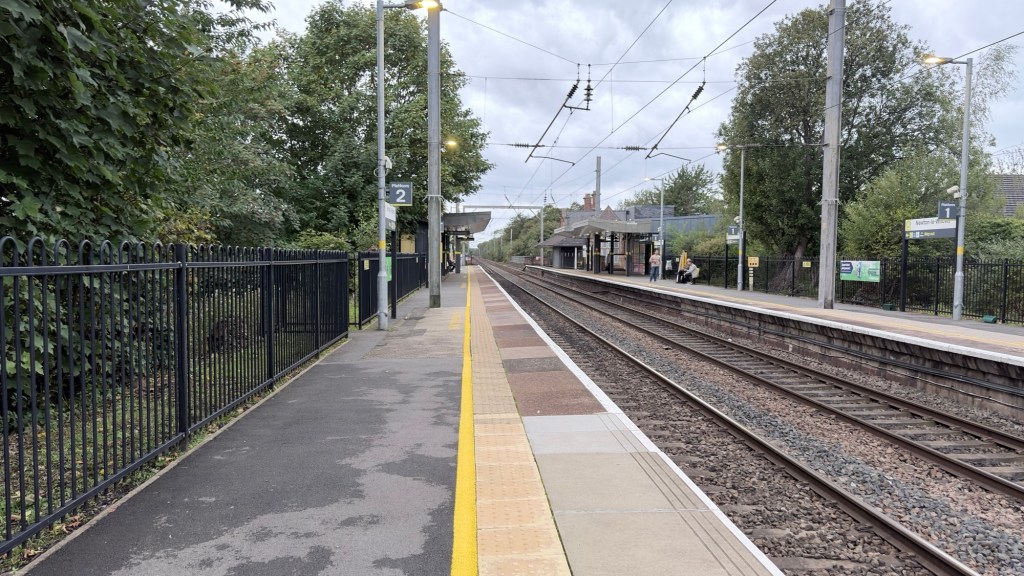
And with that said, the end of the day has arrived! I do hope that you’ve enjoyed reading about my journey from Liverpool Lime Street to Newton-le-Willows and following along as I visited the stations along this historic route. I’m getting ever closer to completing all the stations within Merseyside, with just one line and one station left to tick off before I can say I’ve completed the county. Merseyrail’s Southport line and Meols Cop. That is something I’m hoping to take on in my next adventure, travelling between Liverpool Central and Southport before then continuing my Every Station journey along the line towards Wigan and Stalybridge, including the rather awkward station of Clifton! There are still plenty more stations to explore, so thank you for joining me on this journey, and I hope you’ll come back and follow along with me on the next adventure.
 Joel
Joel 
Leave a comment