With more than 500 stations on its network, Northern is one of the largest train operators in the United Kingdom, serving much of the North of England. Its routes stretch from Nottingham in the south to Chathill in Northumberland, one of its most northerly stations, and westwards to Carlisle. I had originally planned to visit every railway station in the United Kingdom, but with over 2,500 stations across the national network, that is a huge challenge. By focusing on Northern’s network, the task becomes a little more manageable while still offering plenty of variety and adventure. Over the next two years, I hope to visit every station served by Northern, documenting my journeys along the way and ultimately completing the challenge of visiting every Northern station in England.
With trains calling at more than 500 stations, Northern is one of the largest train operators in the United Kingdom and serves communities across much of Northern England and beyond. Its extensive network stretches from Nottingham in the south to Chathill in Northumberland, one of its most northerly stations, and west to Carlisle, linking major cities, market towns and rural communities across the region. For a railway enthusiast, it offers an incredible variety of routes, landscapes and stations to explore.
I had originally planned to visit every railway station in the United Kingdom, but with more than 2,500 stations nationwide, that is a challenge that would take many years to complete. Instead, I have decided to focus on Northern’s network, which still provides a substantial challenge while being far more achievable. Over the next two years, I hope to visit every station served by Northern, documenting my journeys, discovering new places and sharing the experience as I work towards completing every Northern station in England.
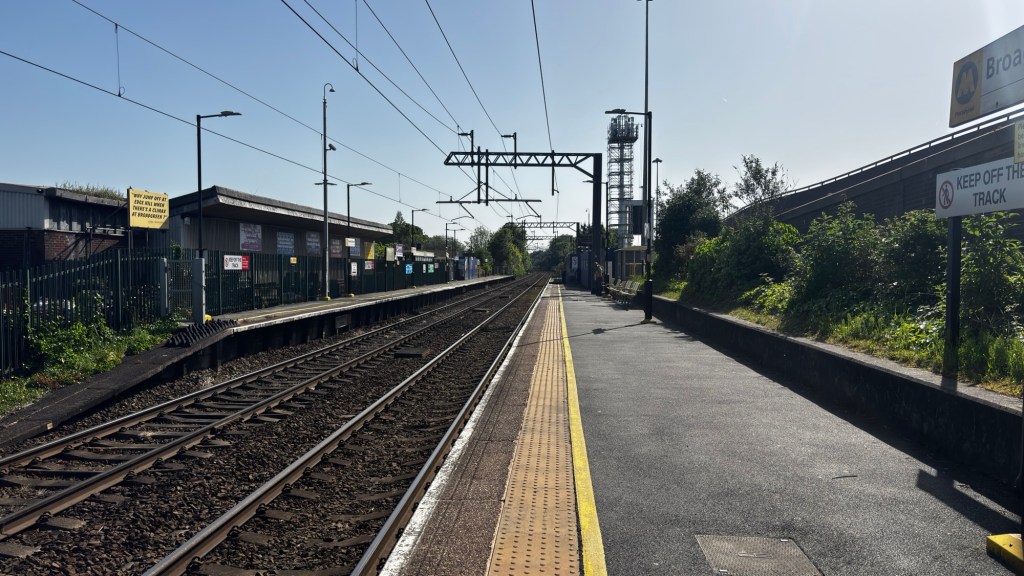
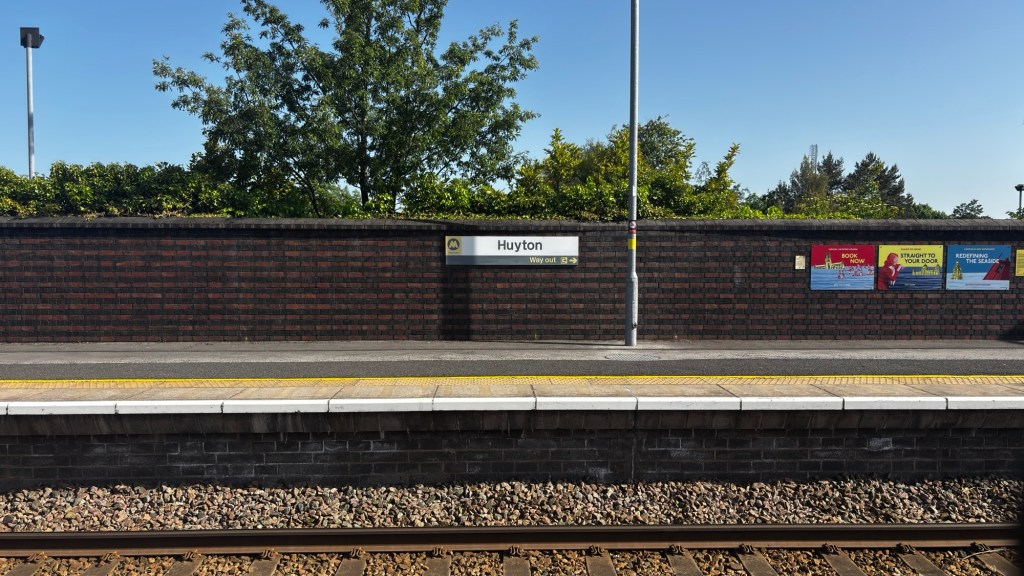
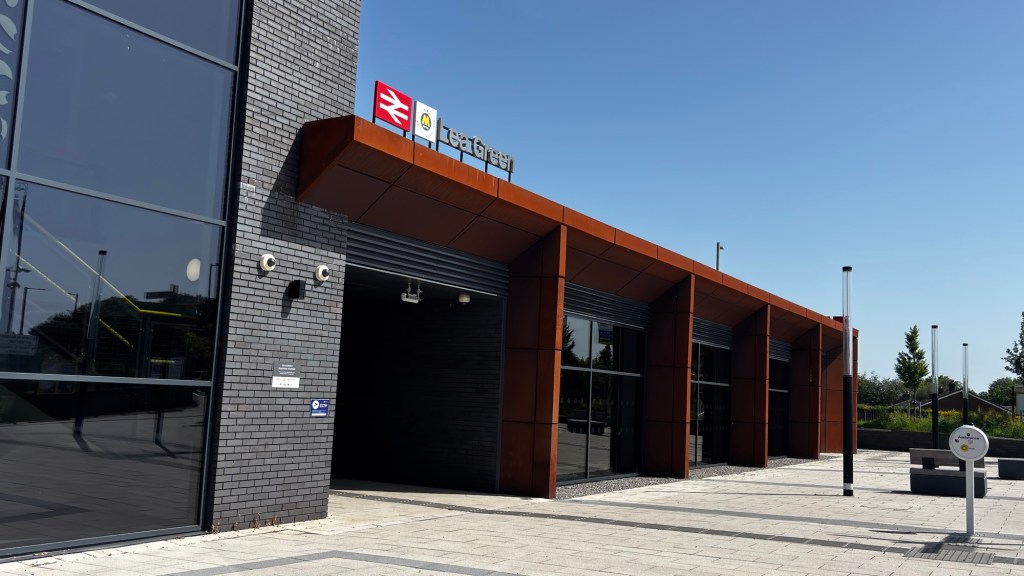
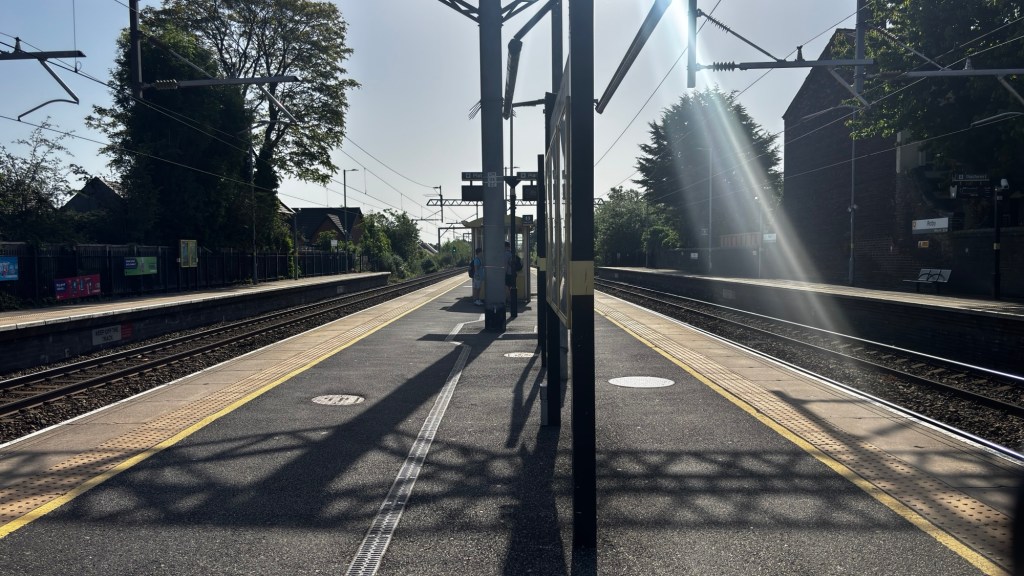
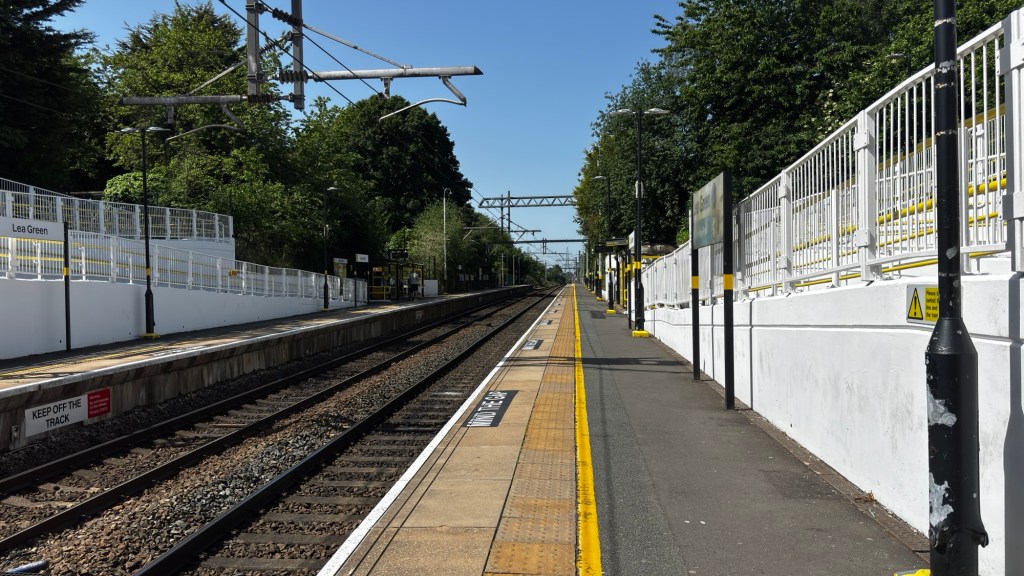
From Broad Green, I continued to Huyton, a major railway junction where routes from Wigan, Manchester, Blackpool and even Scotland converge before heading into the terminus at Liverpool Lime Street. After a brief stop there, I travelled on to Rainhill, where I had around 10–15 minutes before my next train towards Whiston. Rather than continue by rail, I decided to catch an Uber to Lea Green station, allowing me to visit another station on the challenge while making the most of the time available.
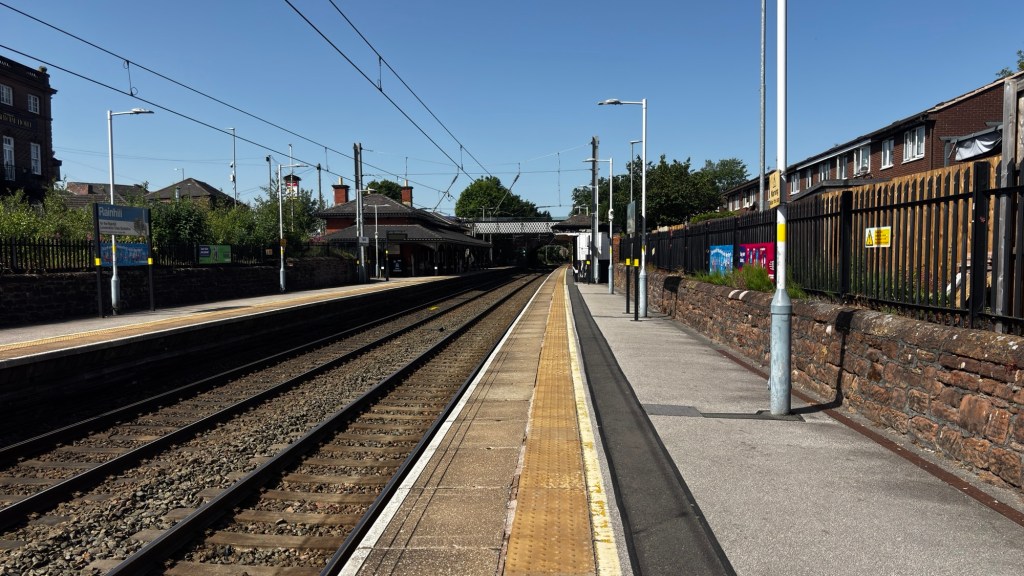
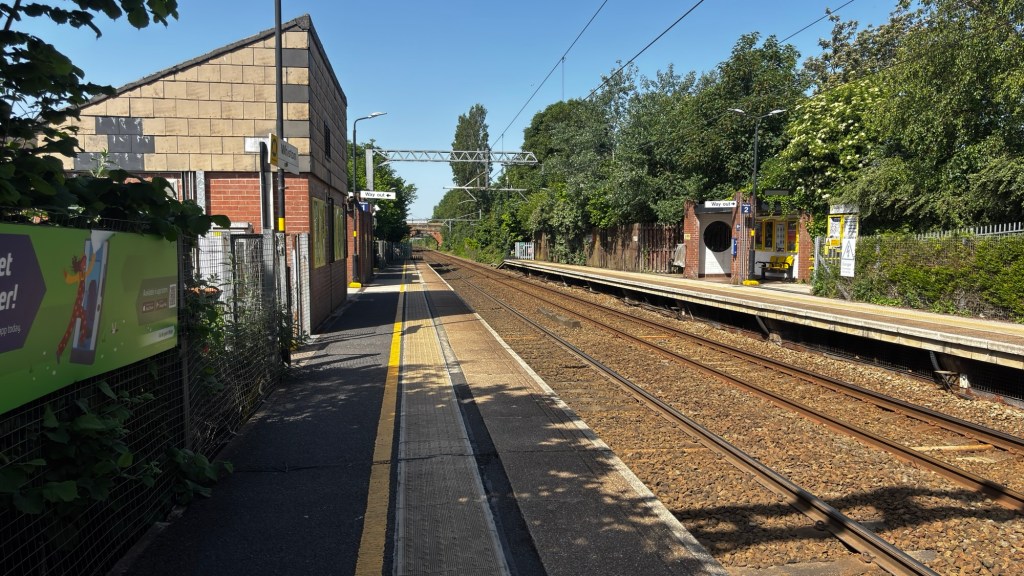
From Whiston, I decided to take an Uber to my next station rather than continue by train. Services along this section of the route only run once an hour, and attempting to visit every station solely by rail would have resulted in some very lengthy waits between connections. As I was trying to cover as many stations as possible during the day, using an Uber allowed me to make far better use of my time while still keeping the challenge moving forward. Although it meant briefly stepping away from the railway, it was a practical decision that enabled me to visit more stations than would otherwise have been possible.
After arriving at Lea Green, I rejoined the railway and continued east towards Earlestown, one of the region’s most important railway junctions. From there, I made my way to the final station of the day, Newton-le-Willows. Situated on the eastern edge of Merseyside, the station marked the end of my journey through the county and provided a natural stopping point for this part of the challenge. After a day spent travelling across Liverpool City Region and visiting a variety of stations, reaching Newton-le-Willows felt like a fitting way to bring the trip to a close.
From Lea Green, I skipped Earlestown and headed straight for Newton-le-Willows, one of the most historically significant stations on the Liverpool–Manchester route. Earlestown and Newton-le-Willows were stations 8 and 9 of 2,598 on my journey to visit every railway station in Great Britain. Both stations form part of the original Liverpool and Manchester Railway, which opened in 1830 and is widely regarded as the world’s first inter-city passenger railway. Newton-le-Willows also has a distinctly modern feel thanks to a major redevelopment completed in 2019, which added a new ticket hall, improved waiting facilities, step-free access and a modern transport interchange. The blend of railway heritage and modern facilities made it an interesting place to visit and provided a reminder of how much the railway has evolved since the earliest days of passenger travel.
With Newton-le-Willows bringing this stage of the journey to a close, it was time to reflect on a successful day exploring stations across Merseyside and beyond. From local suburban stops to stations steeped in railway history, this leg of the challenge offered a fascinating insight into the region’s rail network. In my next post, the journey continues eastwards as I make my way through Greater Manchester, visiting more stations along the route and eventually reaching Manchester Airport. I hope you’ll join me for the next chapter of the challenge.
 Joel Hardy
Leave a comment